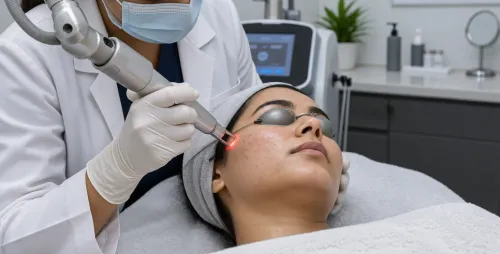

Uneven skin tone, dark spots, melasma, post-acne marks, and sun-induced pigmentation are among the most common reasons people visit a dermatologist. While countless creams and DIY remedies promise brighter skin, not every type of pigmentation responds to the same treatment. Choosing the right Pigmentation treatment begins with understanding what is causing the discoloration in the first place.
A personalized approach is often the most effective way to improve skin tone safely while protecting the skin from further damage.
What Causes Pigmentation?
Pigmentation occurs when the skin produces excess melanin, the pigment responsible for skin colour. Several factors can trigger this process, and identifying the cause is essential before beginning treatment.
Common causes include:
- Prolonged sun exposure
- Hormonal changes such as melasma
- Acne and post-inflammatory pigmentation
- Skin injuries
- Certain medications
- Aging
- Genetic predisposition
Although dark spots may look similar, they often require different treatment strategies depending on their underlying cause.
Why Self-Diagnosis Can Be Misleading
Many people assume that every dark patch is the same and begin using over-the-counter lightening products without medical advice. Unfortunately, inappropriate treatments may irritate the skin or worsen pigmentation, particularly in Indian skin tones.
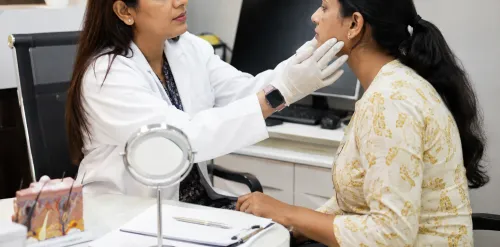
A dermatologist evaluates several factors before recommending treatment, including:
- Depth of pigmentation
- Skin type
- Medical history
- Lifestyle
- Previous skin treatments
- Sun exposure habits
This assessment helps create a treatment plan that is both safe and suitable for long-term skin health.
Available Pigmentation Treatment Options
Modern dermatology offers several evidence-based treatments. The choice depends on the nature and severity of pigmentation rather than a single treatment being suitable for everyone.
Medical Skincare
Prescription creams may help regulate melanin production and gradually reduce superficial pigmentation when used under professional guidance.
Chemical Peels
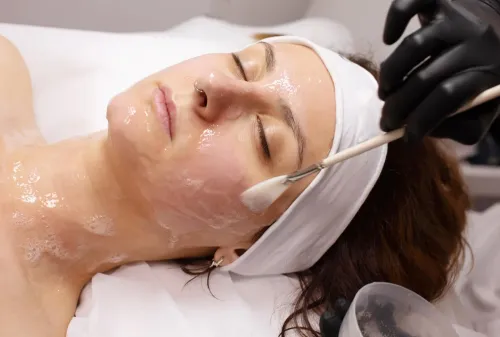
Chemical peels gently exfoliate damaged skin layers, encouraging new skin cell turnover and improving uneven pigmentation over multiple sessions.
Laser Treatments
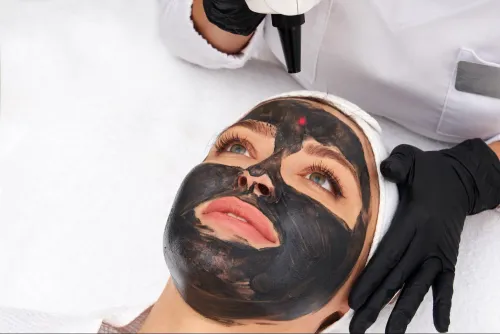
Laser technology can precisely target excess pigment while minimising damage to surrounding skin. Different lasers are selected depending on the type of pigmentation being treated.
Microneedling
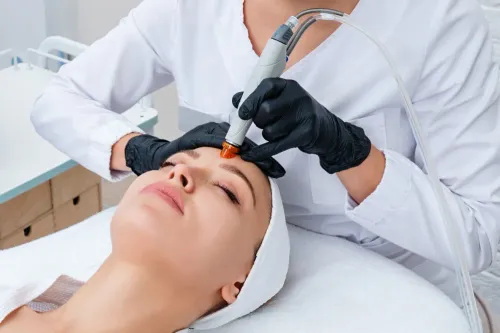
For patients with acne marks and mild pigmentation, microneedling may improve both skin texture and post-inflammatory discoloration by stimulating collagen production.
Combination Treatments
Many patients achieve better outcomes when treatments are combined with an appropriate home skincare routine and strict sun protection.
How Long Does It Take to See Results?
One of the most common questions patients ask is how quickly pigmentation will fade.
The answer depends on:
- The type of pigmentation
- Its depth within the skin
- Duration of the condition
- Individual skin healing
- Consistency with treatment
- Daily sun protection
Some superficial pigmentation may begin improving within a few weeks, while deeper pigmentation often requires several months of carefully planned treatment.
Gradual improvement is generally safer and more sustainable than attempting aggressive treatments.
The Importance of Sunscreen
No pigmentation treatment is complete without sun protection.
Ultraviolet exposure stimulates melanin production, making pigmentation darker and increasing the likelihood of recurrence.
Dermatologists typically recommend:
- Applying broad-spectrum sunscreen daily
- Reapplying sunscreen during prolonged outdoor activity
- Wearing protective clothing
- Seeking shade during peak sunlight hours
These habits help preserve treatment results and reduce future pigmentation.
Mistakes That Can Delay Improvement
Several common habits may interfere with successful pigmentation treatment.
These include:
- Frequently changing skincare products
- Using home remedies without medical advice
- Picking acne lesions
- Skipping sunscreen
- Expecting immediate results
- Buying products based only on online trends
Consistency and patience are often more effective than trying multiple treatments in a short period.
Who Should Consider Professional Treatment?
You should consult a dermatologist if:
- Pigmentation continues to spread.
- Dark spots remain despite skincare products.
- Melasma keeps recurring.
- Acne marks do not fade over time.
- Pigmentation affects confidence or daily life.
Early assessment allows treatment to begin before pigmentation becomes more difficult to manage.
Choosing the Right Approach
Pigmentation is not simply a cosmetic concern—it often reflects underlying changes within the skin. Because every individual's skin behaves differently, successful treatment depends on identifying the cause and selecting the most appropriate medical approach rather than relying on generic solutions.
For individuals looking for Pigmentation treatment in Ambarnath, consulting an experienced dermatologist can provide a personalized evaluation and treatment plan based on their unique skin concerns. Dr. Swati Gurav Dermatologist and Cosmetologist offers comprehensive skin assessments and evidence-based dermatology care to help patients manage pigmentation safely and effectively. Those interested in understanding more about available skin treatments can also explore the educational information available through drswatiguravdermatologist.com before scheduling a consultation.
Keywords