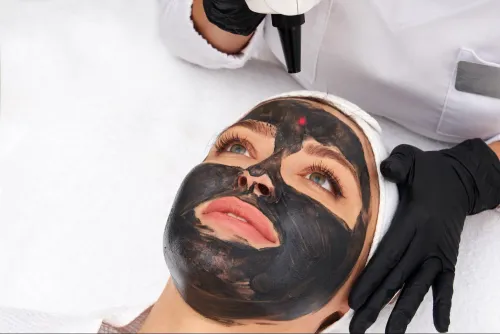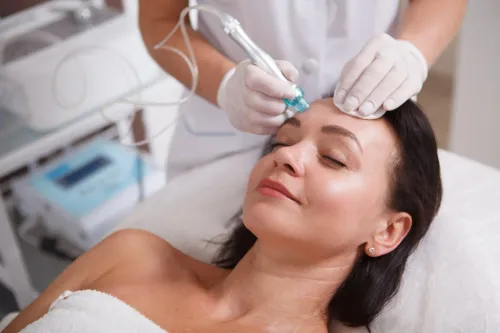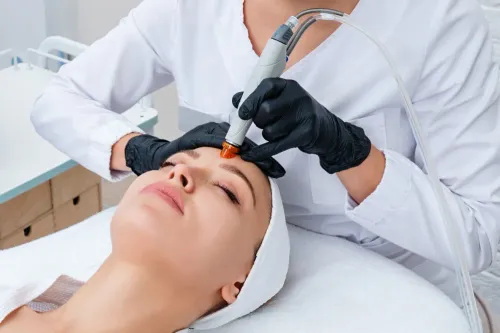
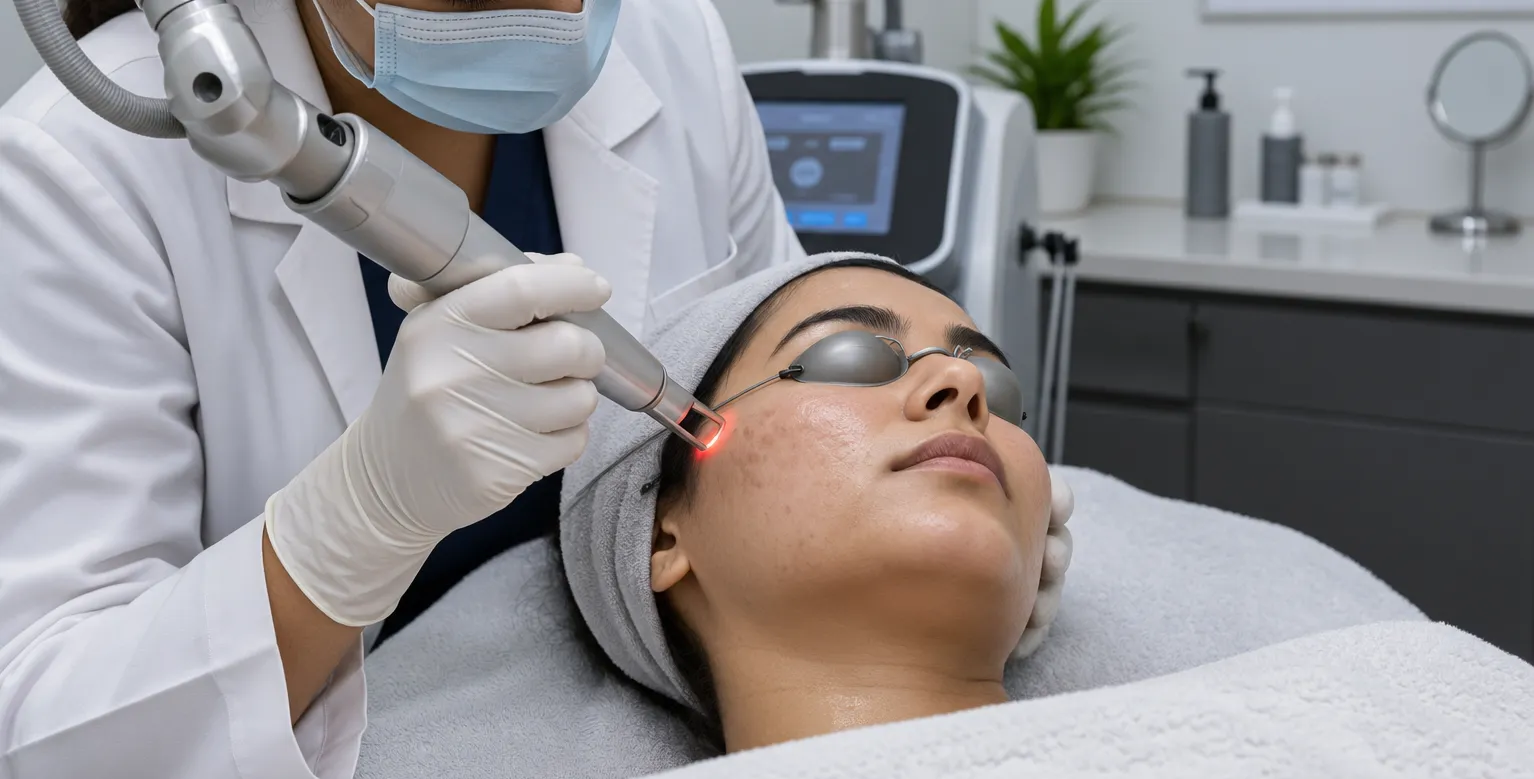
Some skin concerns extend beyond superficial colour changes. Acne scars, textural irregularities, and selected signs of photoaging may involve structural changes that cannot be adequately addressed through routine skincare alone. Fractional Co2 Laser is one resurfacing technology that dermatologists may consider for selected patients.
For people in Ambarnath exploring more intensive skin-resurfacing procedures, understanding the potential benefits and recovery requirements is essential before treatment.
How Fractional CO2 Technology Works
A fractional CO2 laser delivers controlled treatment in microscopic columns while leaving areas of surrounding tissue untreated.
The treatment parameters can be adjusted according to the indication, skin characteristics, treatment depth, and desired intensity.
Because it is a resurfacing procedure, Fractional CO2 treatment generally requires more careful recovery planning than a routine facial or very superficial procedure.
Which Concerns May Be Evaluated
Depending on individual suitability, the technology may be considered for:
- Selected acne scars
- Uneven skin texture
- Certain traumatic scars
- Fine lines
- Selected photoaging changes
- Some textural skin irregularities
The key word is 'selected.'
For example, acne scars vary significantly in depth and shape. Some scars may respond to fractional resurfacing, while others may require subcision, focal techniques, microneedling-based procedures, or combination treatment.
Ask Whether Your Skin Is Suitable
Before treatment, the dermatologist should consider several factors.
These can include:
- Skin type
- Tendency to develop pigmentation
- Active acne
- Current infection
- Previous scarring
- Recent sun exposure
- Current medications
- Previous cosmetic procedures
- Expected downtime
Patients should disclose relevant medical and treatment history rather than treating laser resurfacing as a standard beauty service.
Understand the Downtime
Fractional CO2 Laser may produce redness, swelling, sensitivity, crusting, or visible recovery changes depending on the treatment intensity.
This makes planning important.
Patients with work, social events, travel, or significant outdoor exposure should discuss timing beforehand instead of scheduling treatment immediately before an important occasion.
Aftercare Is Part of the Treatment
Recovery does not end when the laser session finishes.
Patients should follow the prescribed cleansing, moisturising, sun-protection, and medication instructions. Picking at crusts or introducing harsh active skincare too early can interfere with recovery.
Sun exposure also requires careful management because recently treated skin can be more vulnerable.
Why Experience and Treatment Planning Matter
Laser settings should not simply be maximised to create a more aggressive treatment.
The aim is to select parameters that address the concern while considering skin type and acceptable risk. This is particularly relevant when treating darker skin tones that may have a greater tendency toward post-inflammatory pigmentation.
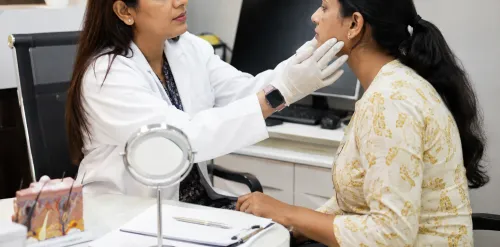
At Dr. Swati Gurav Dermatologist and Cosmetologist, patients can undergo assessment to determine whether Fractional Co2 Laser is appropriate for their scar or resurfacing concern.
For people in Ambarnath considering deeper skin resurfacing, readiness involves more than wanting faster improvement. Patients should understand the diagnosis, expected number of sessions, likely downtime, potential risks, aftercare requirements, and whether combination treatment may be necessary. When these factors are considered together, fractional resurfacing can be evaluated as part of a structured dermatological treatment plan rather than as a one-procedure solution.
Keywords