Acne may settle while leaving behind depressions, uneven texture, and scars that remain visible for years. Microneedling is a minimally invasive procedure used in selected patients to stimulate controlled skin repair and improve certain types of textural irregularities.
For patients in Ulhasnagar, Maharashtra, understanding which scars respond to treatment is important because acne scars are not all structurally identical.
How microneedling works
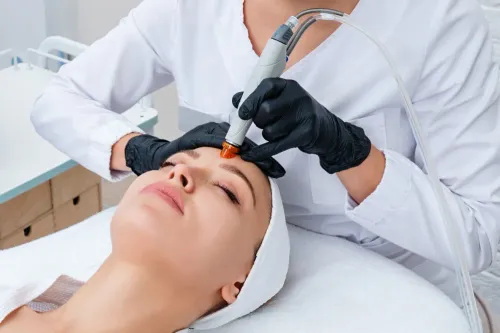
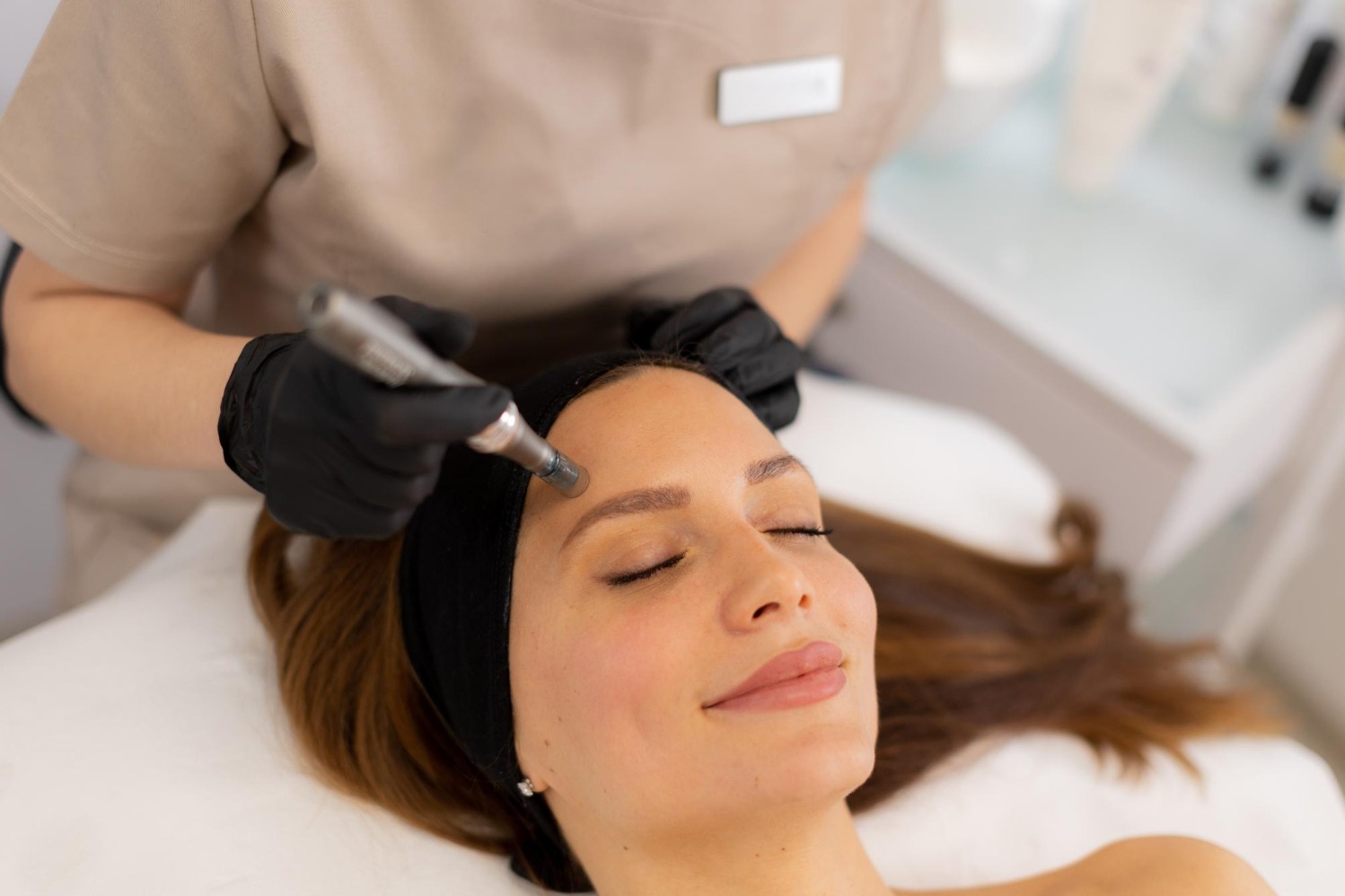
A microneedling device uses fine needles to create controlled microscopic channels in the skin.
This controlled injury activates repair processes associated with collagen remodelling. Improvement develops progressively rather than appearing immediately after the procedure.
The depth of treatment can be adjusted according to the area and indication.
Which concerns may respond
Microneedling may be considered for:
- Selected atrophic acne scars
- Uneven skin texture
- Certain superficial lines
- General skin remodelling
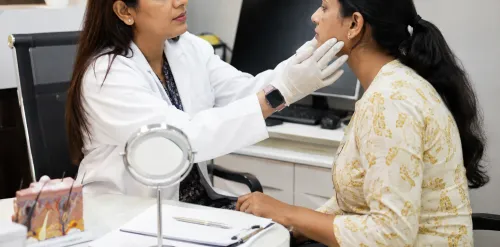
Acne scars should ideally be classified before treatment. Rolling, boxcar, and ice-pick scars can require different approaches, and some patients benefit from combination procedures.
What happens during treatment
The skin is cleaned and prepared. A topical numbing agent may be used before the procedure.
The device is then moved across selected areas at controlled depths.
Temporary pinpoint bleeding or redness can occur depending on treatment intensity.
How long is the recovery
Redness and sensitivity are common immediately afterward. Mild swelling, dryness, or roughness may follow.
Visible recovery often occurs over several days, although the exact duration varies according to needle depth, skin sensitivity, and treatment area.
Collagen remodelling takes considerably longer than surface recovery, so final improvement should not be judged after only a few days.
Benefits of microneedling
Potential advantages include controlled treatment depth and gradual improvement in selected scars and texture.
It can also form part of a broader acne-scar plan when different scar types require different techniques.
Risks and limitations
Possible risks include:
- Redness
- Swelling
- Temporary discomfort
- Infection
- Pigmentation changes
- Acne flare
- Scarring in uncommon circumstances
Performing microneedling over active infection or unsuitable inflammatory conditions can increase complications.
Preparing for microneedling
Active acne, herpes infection, open wounds, tendency to form abnormal scars, current medicines, and previous procedures should be discussed beforehand.
Patients may also receive instructions about retinoids, exfoliating acids, and other active skincare products.
Care after treatment
The treated skin should be handled gently. Patients should follow advice about cleansing, moisturisation, and sun protection.
Avoid picking, scratching, home exfoliation, and applying unapproved strong active products during early recovery.
Frequently asked questions
How many sessions are needed for acne scars
A series is commonly required because collagen remodelling is gradual. The number depends on scar type, depth, and individual response.
Does microneedling completely remove scars
Complete removal cannot be guaranteed. The objective is usually meaningful improvement in scar appearance and texture.
Can active acne be treated at the same time
Significant active inflammatory acne may need to be controlled before scar-focused procedures are started.
When are results visible
Changes develop progressively over weeks and months as remodelling occurs.
Patients considering Microneedling in Ulhasnagar should have their acne scars assessed before selecting a procedure. Matching treatment depth and technique to scar characteristics is more useful than choosing treatment based solely on photographs of other patients.
Keywords