
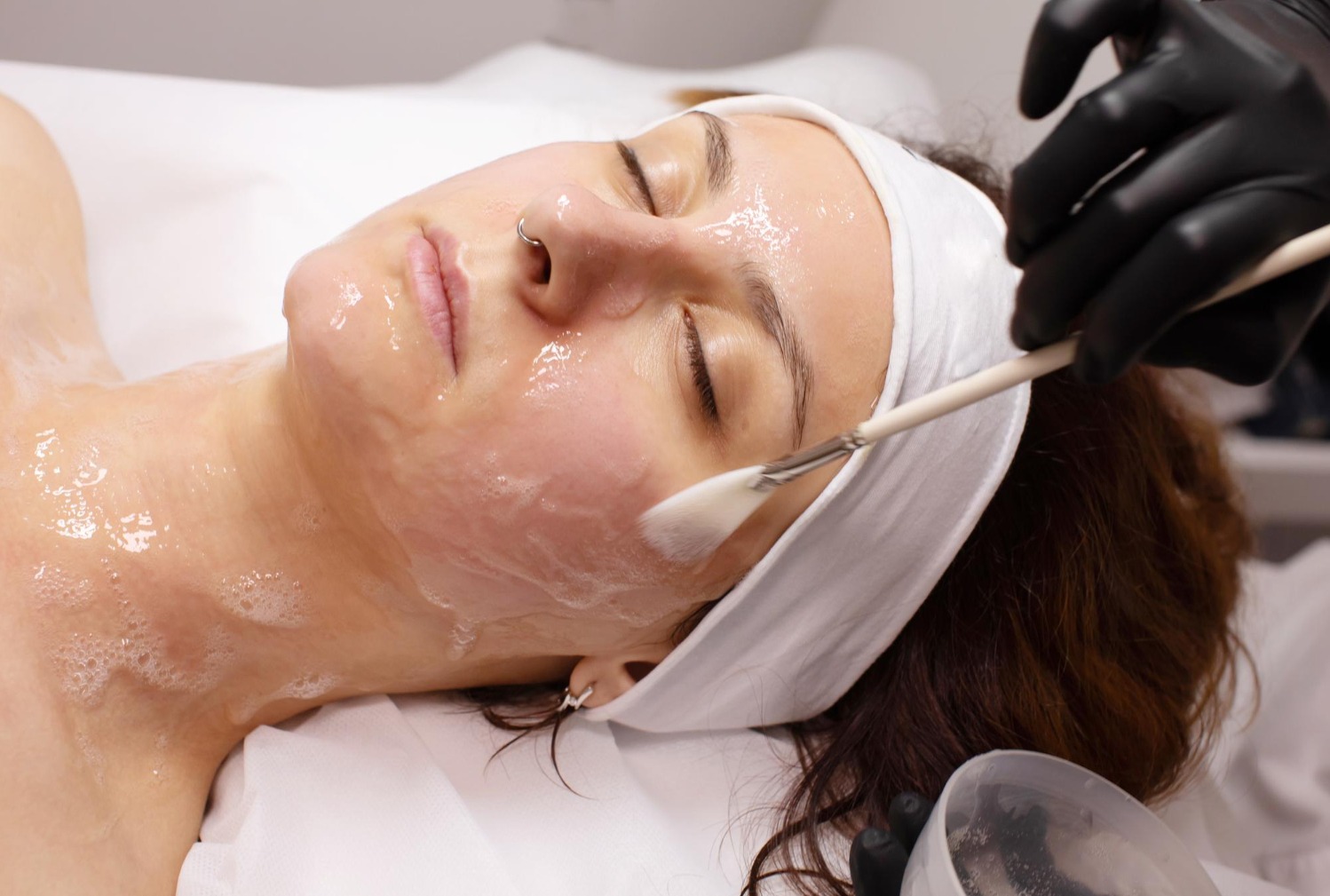
Pigmentation, post-acne marks, rough texture, and dull-looking skin are common reasons people explore Chemical Peeling. A chemical peel is a controlled dermatological procedure in which a selected peeling agent is applied to the skin to produce a planned exfoliating effect.
For patients in Ulhasnagar, Maharashtra, understanding peel strength, expected downtime, and post-treatment care is important before undergoing the procedure.
How chemical peeling works
Chemical peels use specific agents at carefully selected concentrations. Depending on the formulation and depth, a peel may work mainly on superficial layers or create a deeper controlled effect.
The choice of peel depends on the condition being treated, skin type, sensitivity, previous treatments, and pigmentation risk.
Chemical peeling may be considered for concerns such as:
- Acne-related marks
- Certain superficial pigmentation
- Uneven skin tone
- Rough texture
- Dull-looking skin
- Selected forms of active acne
- Superficial signs of photoageing
Not every pigmentation problem should automatically be treated with a peel. Correct diagnosis matters because pigmentation has many possible causes.
What happens during a chemical peel
The skin is generally cleansed before the peeling solution is applied. Patients may experience warmth, tingling, or mild stinging depending on the peel.
Application time and neutralisation depend on the product being used. The dermatologist then provides aftercare instructions suited to the depth of treatment.
How long does recovery take
Recovery varies considerably.
Very superficial peels may produce little visible peeling. Stronger procedures may lead to redness, dryness, flaking, or visible peeling for several days.
The absence of dramatic peeling does not necessarily mean the procedure has failed. Patients should not attempt to create extra peeling by scrubbing the skin.
Benefits of professionally selected peels
A properly planned course may help improve skin texture, superficial pigmentation, acne marks, and overall appearance.
Benefits develop gradually and can depend on consistent sun protection and an appropriate home skincare routine.
Risks associated with chemical peeling
Potential risks include:
- Irritation
- Excessive redness
- Dryness
- Temporary sensitivity
- Post-inflammatory pigmentation
- Infection
- Unwanted changes in skin colour
- Rare scarring with inappropriate treatment
The possibility of pigmentation changes is particularly relevant in darker skin tones, making appropriate peel selection important.
What to do before treatment
Patients should disclose current medicines, previous reactions, active infections, history of cold sores, pregnancy, recent procedures, and all strong skincare products being used.
A dermatologist may recommend stopping selected active products temporarily before the procedure.
Avoid experimenting with waxing, scrubs, home peels, and strong exfoliation immediately before a professional peel unless specifically advised.
Post-peel care matters
After treatment:
- Cleanse gently
- Moisturise as advised
- Use appropriate sunscreen
- Avoid picking peeling skin
- Avoid harsh scrubbing
- Resume active skincare only as instructed
Sun exposure can increase the risk of pigmentation after some procedures, making photoprotection particularly important.
Frequently asked questions
Can a chemical peel remove pigmentation permanently
Results depend on the cause. Some pigmentation can improve, but recurrence is possible, particularly when triggers such as sun exposure continue.
How many sessions are required
This varies according to the concern and peel type. A series of appropriately spaced treatments may be recommended.
Can chemical peeling treat deep acne scars
Peels can improve certain superficial irregularities, but deeper acne scars may require procedures such as microneedling, MNRF, lasers, or combination treatment.
At Dr. Swati Gurav Dermatologist and Cosmetologist, patients seeking Chemical Peeling in Ulhasnagar can be evaluated for peel suitability based on their skin condition, treatment history, and expected outcome.
Keywords