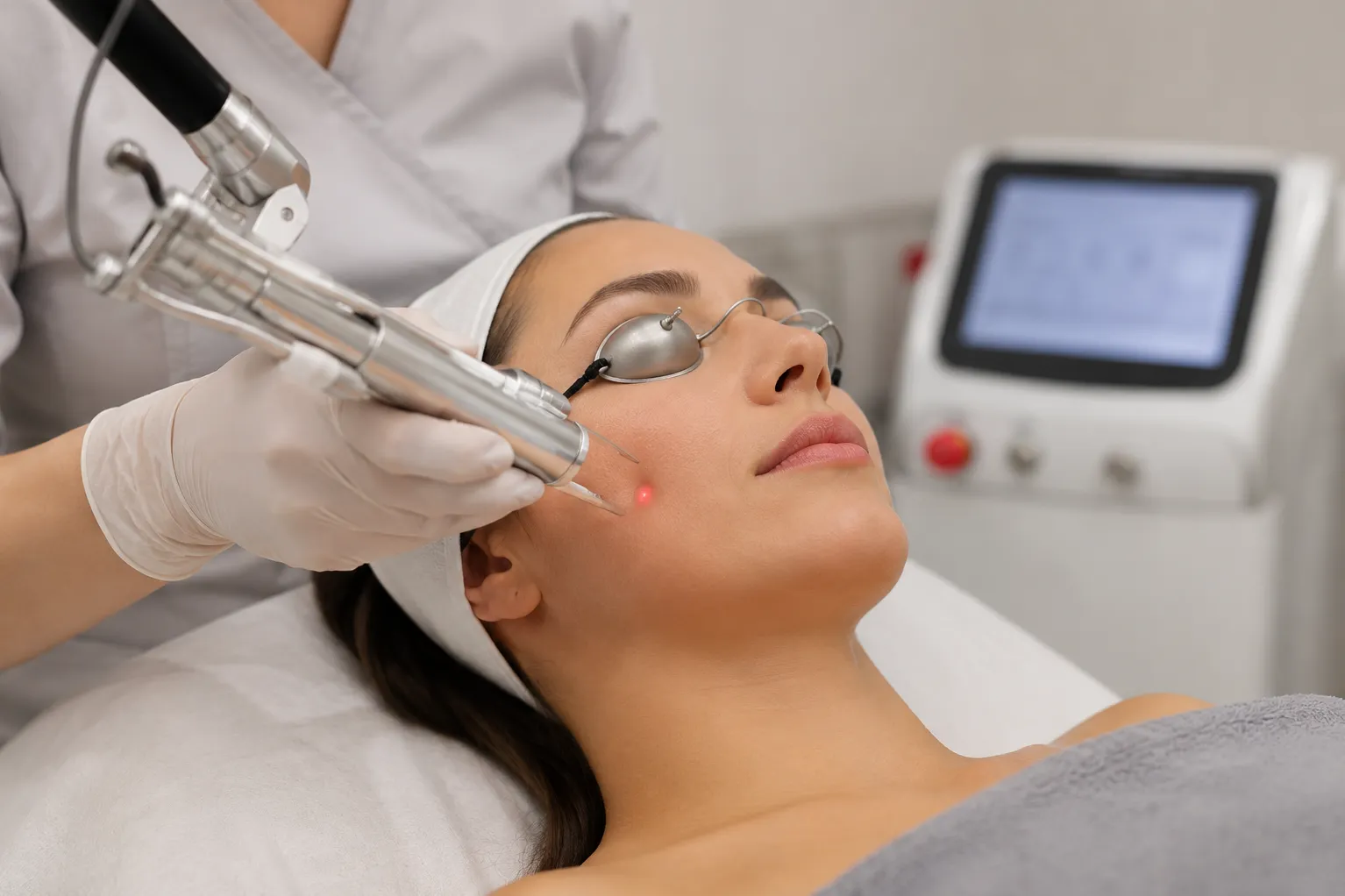
Acne scars, uneven skin texture, enlarged pores, and visible signs of aging are concerns that often persist despite a consistent skincare routine. While topical creams can improve the skin's surface, they may not significantly affect deeper skin changes. This is one reason why Fractional CO2 Laser treatment is frequently recommended for people looking to improve skin texture through controlled skin resurfacing.
If you are considering this procedure, understanding how it works, who may benefit from it, and what recovery involves can help you decide whether it is the right option for your skin.
What Is a Fractional CO2 Laser?
Fractional CO2 Laser is an advanced skin resurfacing procedure that uses laser energy to create microscopic treatment zones in the skin. Instead of treating the entire surface, the laser targets tiny sections while leaving surrounding healthy tissue untouched.
This fractional approach encourages faster healing and stimulates collagen production, which helps improve the skin's structure over time.
As collagen remodels during the weeks following treatment, many patients notice smoother skin, improved texture, and a reduction in the appearance of scars and wrinkles.
Which Skin Concerns Can It Treat?
Fractional CO2 Laser is commonly used for:
- Acne scars
- Fine lines and wrinkles
- Sun-damaged skin
- Uneven skin texture
- Enlarged pores
- Certain surgical scars
- Mild skin laxity
- Some pigmentation concerns
Not every skin condition requires laser resurfacing, so an assessment by a dermatologist is essential before treatment.
Who Is a Suitable Candidate?
You may be a suitable candidate if you:
- Have acne scars that have remained after acne has healed.
- I want to improve uneven skin texture.
- Have realistic expectations about treatment outcomes.
- Are in good general health.
- Are willing to follow post-treatment care instructions.
Individuals with active skin infections, uncontrolled acne, or certain medical conditions may require alternative treatments until their skin is suitable for laser therapy.
What Happens During the Procedure?
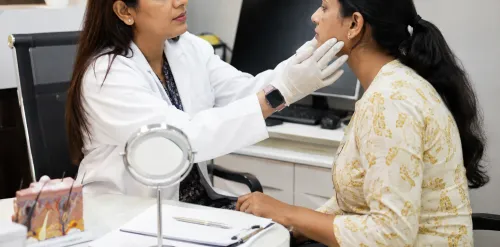
Before treatment, the dermatologist evaluates your skin and discusses your goals.
On the day of the procedure:
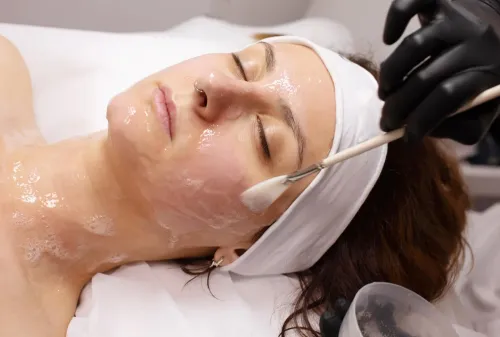
- The skin is cleansed thoroughly.
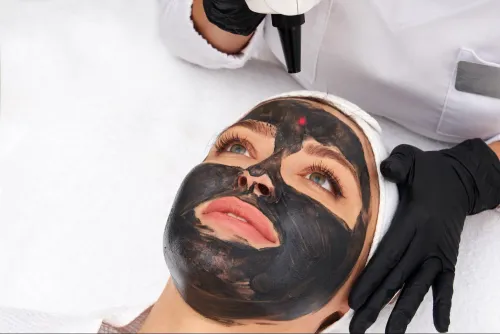
- A numbing cream is applied to improve comfort.
- The laser settings are customised according to your skin type and concerns.
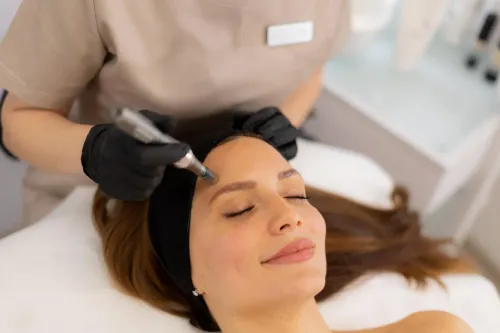
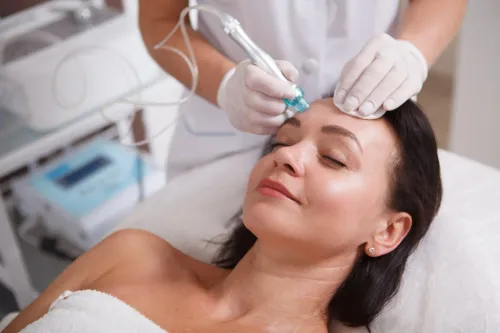
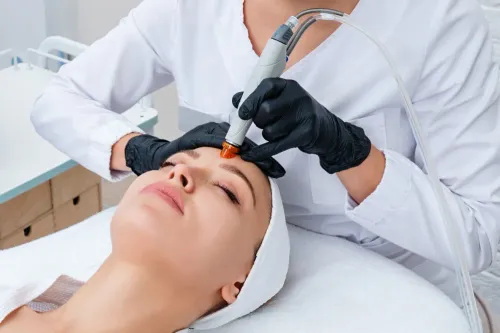
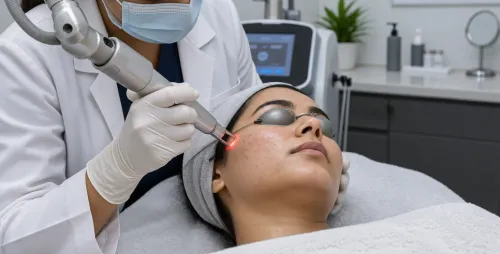
- The laser is carefully passed over the treatment area.
The duration of the procedure depends on the size of the area being treated and generally ranges between 30 and 60 minutes.
What Is Recovery Like?
Recovery varies depending on the treatment intensity.
Immediately after the procedure, patients may experience:
- Redness
- Mild swelling
- A warm sensation
- Temporary skin peeling
These reactions gradually improve as the skin heals.
Most dermatologists recommend:
- Applying prescribed moisturisers.
- Avoiding direct sunlight.
- Wearing sunscreen every day.
- Avoiding harsh skincare products during recovery.
- Allowing the skin to heal naturally without picking or scratching.
Following these recommendations supports healthy recovery and helps optimise results.
When Will You Notice Results?
Unlike treatments that produce immediate cosmetic changes, Fractional CO2 Laser works by stimulating collagen production.
Patients often notice gradual improvement over several weeks as the skin repairs itself. Acne scars may appear softer, pores less visible, and overall skin texture smoother.
Some individuals benefit from a series of sessions depending on the severity of their skin concerns and treatment goals.
Fractional CO2 Laser Compared with Other Skin Treatments
Several procedures can improve skin texture, but each works differently.
For example:
- Microneedling primarily stimulates collagen with minimal downtime.
- Chemical peels target superficial skin layers.
- MNRF combines microneedling with radiofrequency energy.
- Fractional CO2 Laser provides deeper skin resurfacing for selected concerns.
The most suitable treatment depends on your skin type, scar pattern, downtime preferences, and clinical assessment rather than simply choosing the latest technology.
Why Professional Guidance Matters
Laser resurfacing is a highly customised procedure. Treatment settings must be adjusted according to skin tone, scar depth, and individual healing characteristics to minimise the risk of pigmentation or prolonged recovery.
An experienced dermatologist can evaluate whether Fractional CO2 Laser is appropriate or whether another procedure would provide better results for your specific skin concerns.
For individuals considering Fractional CO2 Laser in Kalyan, a personalized consultation allows treatment to be planned safely and realistically. Dr. Swati Gurav Dermatologist and Cosmetologist provides comprehensive skin assessments and customised laser treatment plans based on evidence-based dermatology. Patients can also learn more about available skin rejuvenation procedures by exploring the educational resources available through drswatiguravdermatologist.com before scheduling their consultation.
Keywords