Getting a tattoo is a personal decision, but there are many reasons why someone may later choose to have it removed. Changing personal preferences, professional requirements, faded artwork, or an outdated design are some of the common motivations. Fortunately, advances in dermatology have made Laser Tattoo Removal a safe and effective option for reducing or eliminating unwanted tattoos when performed by a qualified dermatologist.
If you are considering this treatment, understanding the process, expected results, and factors that influence tattoo removal can help you make an informed decision.
How Does Laser Tattoo Removal Work?
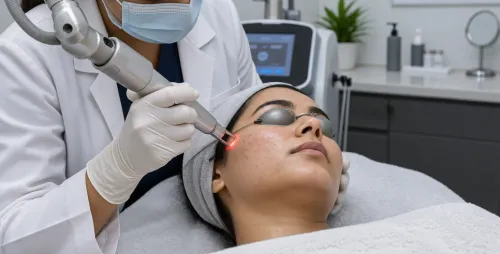
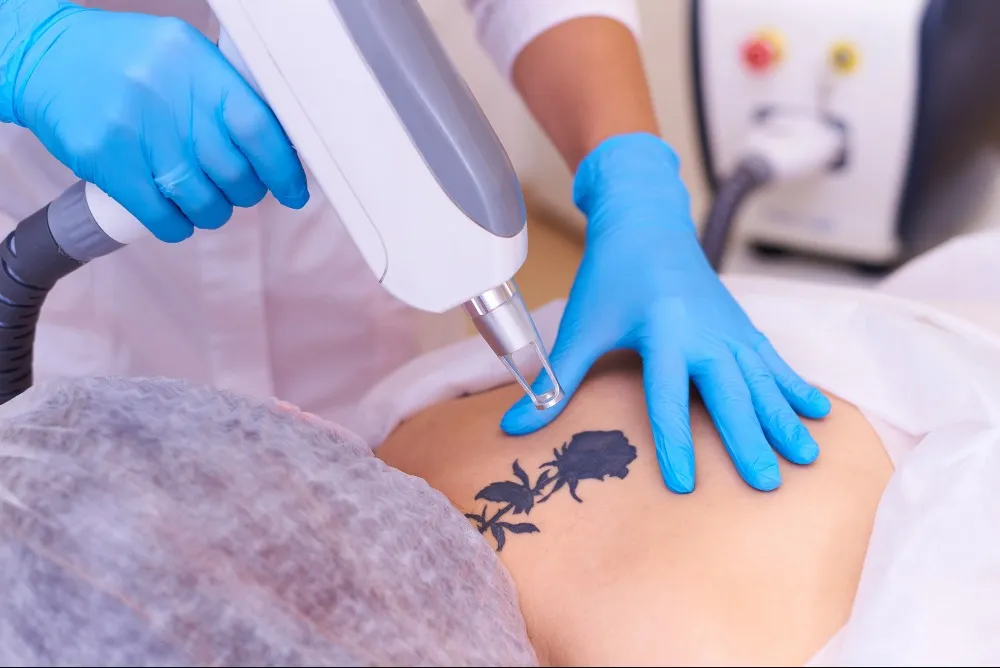
Laser tattoo removal uses highly focused light energy to target the tattoo pigment beneath the skin. The laser delivers short pulses that break the ink into tiny particles without making surgical cuts.
Once the pigment is fragmented, the body's immune system gradually clears these smaller particles over the following weeks. Since this is a gradual biological process, tattoo removal happens over multiple sessions rather than in a single treatment.
Different laser settings may be used depending on the tattoo's colour, depth, and age.
Which Tattoos Respond Best?
The success of laser tattoo removal depends on several factors, including:
- Colour of the tattoo
- Type of ink used
- Depth of pigment
- Size of the tattoo
- Age of the tattoo
- Skin type
- Individual healing response
Older tattoos often fade more easily because some pigment has already broken down naturally over time. Professional tattoos may require more sessions than amateur tattoos because the ink is usually placed deeper into the skin.
What Happens Before the Procedure?
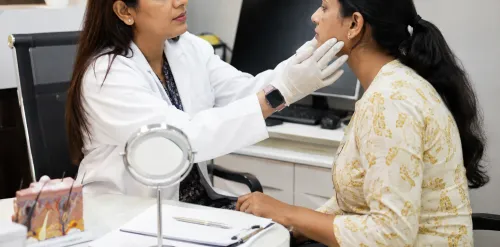
A consultation is the first step.
During this appointment, the dermatologist evaluates:
- Your skin type
- Tattoo characteristics
- Medical history
- Previous skin treatments
- History of abnormal scarring or pigmentation
This assessment helps determine whether laser treatment is suitable and allows realistic expectations to be discussed before beginning the procedure.
You may also receive instructions such as avoiding excessive sun exposure and informing your dermatologist about any medications or skin conditions.
What Can You Expect During Treatment?
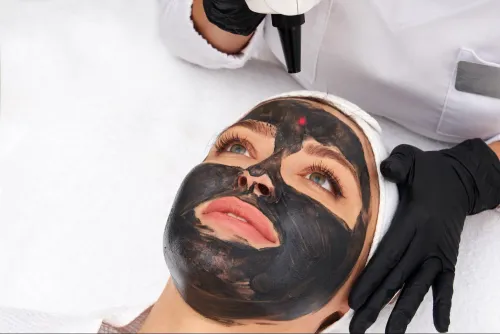
Before treatment begins, protective eyewear is provided for safety.
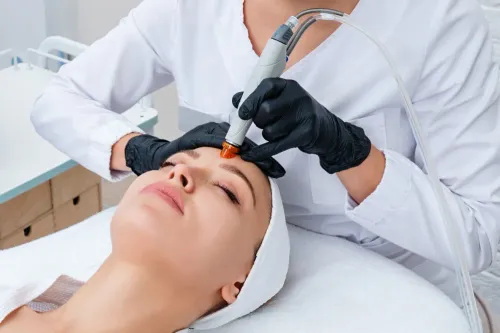
The laser device is carefully adjusted according to the tattoo and skin characteristics. Short bursts of laser energy are then delivered to the tattooed area.
Patients often describe the sensation as similar to the snapping of a small rubber band against the skin. Depending on the tattoo's size, the session may last from a few minutes to around half an hour.
Cooling methods may be used to improve comfort during the procedure.
What Happens After Laser Tattoo Removal?
Temporary redness, mild swelling, whitening of the treated skin, or slight tenderness are common immediately after treatment. These reactions usually settle within a few days.
Proper aftercare plays an important role in supporting healing.
Patients are generally advised to:
- Keep the treated area clean and dry.
- Avoid scratching or picking the skin.
- Protect the area from direct sunlight.
- Apply prescribed ointments if recommended.
- Follow all post-treatment instructions carefully.
Healing should be allowed to complete before the next treatment session.
How Many Sessions Will Be Needed?
One of the most common questions people ask is whether tattoos can be removed in a single visit.
In most cases, the answer is no.
Multiple sessions are usually required because each treatment removes only a portion of the pigment. The exact number depends on factors such as tattoo colour, ink density, skin type, and the body's natural ability to clear fragmented pigment.
Your dermatologist will recommend an individual treatment schedule based on your progress.
Are There Any Risks?
When performed by an experienced dermatologist using appropriate laser technology, laser tattoo removal is generally considered safe.
However, as with any medical procedure, temporary side effects may occur, including:
- Redness
- Swelling
- Mild discomfort
- Temporary pigmentation changes
- Blistering in some cases
Following aftercare instructions significantly reduces the likelihood of complications and supports better healing.
Why Choosing the Right Dermatologist Matters
Laser tattoo removal requires more than simply operating a laser device. Different tattoo colours respond differently to laser wavelengths, and treatment settings must be adjusted according to skin type to minimise unwanted pigmentation or scarring.
A qualified dermatologist carefully evaluates these factors before every session to ensure treatment remains both effective and safe.
For individuals considering Laser Tattoo Removal in Kalyan, seeking care from an experienced dermatologist allows for personalized treatment planning based on the tattoo's characteristics and individual skin needs. Dr. Swati Gurav Dermatologist and Cosmetologist provides comprehensive skin evaluations and customised laser treatment plans using evidence-based dermatology practices. Patients who wish to learn more about available laser procedures and skin care options can also explore the educational information available through drswatiguravdermatologist.com before making an informed treatment decision.
Keywords