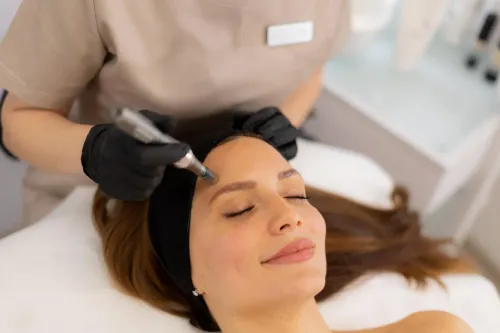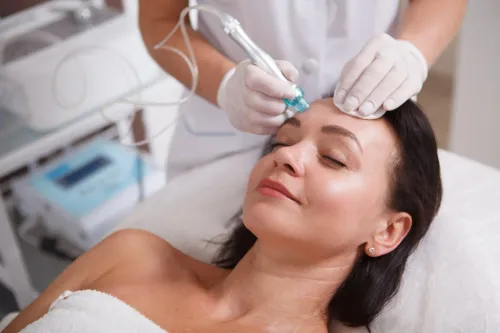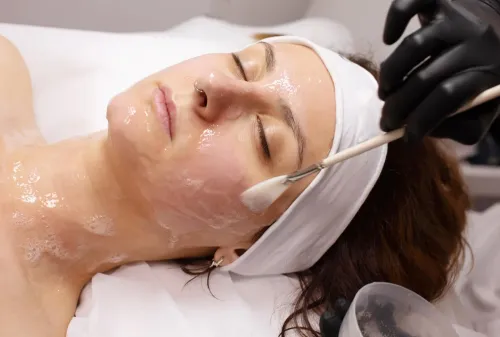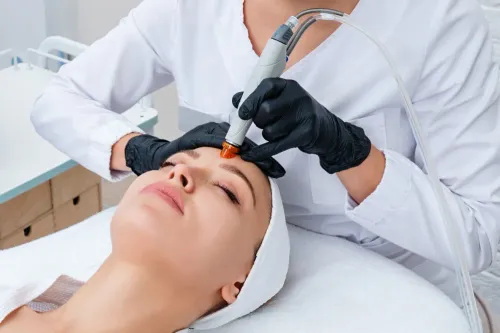
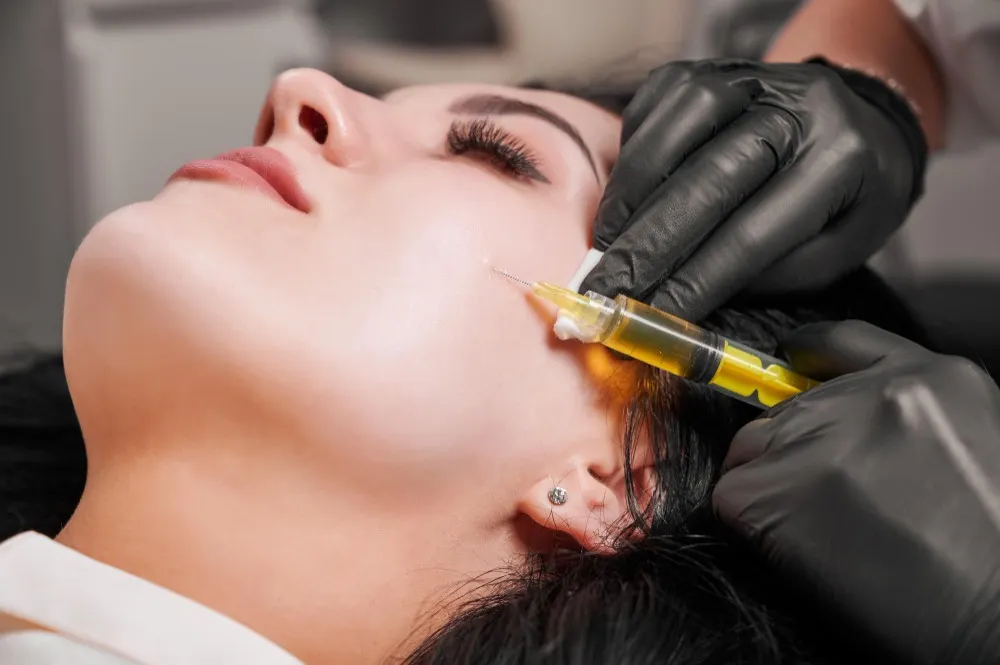
Skin naturally changes with age. Texture may become less even, fine lines can become more visible, and the skin may gradually lose some of its youthful appearance. People researching regenerative aesthetic procedures may therefore encounter PRP therapy for Skin Rejuvenation.
PRP stands for platelet-rich plasma. The treatment uses a concentrated component prepared from the patient's own blood and is performed under appropriate clinical conditions.
For individuals in Ulhasnagar, understanding what PRP involves can make it easier to have realistic expectations before considering treatment.
How PRP Is Prepared
A small quantity of blood is collected from the patient and placed in specialised equipment that separates its components.
The platelet-rich portion is then prepared for use in the selected treatment area. Because PRP is derived from the patient's own blood, it differs considerably from treatments involving manufactured fillers or neuromodulators.
The preparation method and treatment technique are important parts of the procedure.
What Is PRP Used for in Skin Rejuvenation
PRP may be considered as part of a dermatologist-guided approach for concerns involving:
- Skin quality
- Uneven texture
- Early signs of aging
- Overall rejuvenation
- Selected acne-scar treatment plans
The procedure is not designed to completely transform facial structure or erase every wrinkle. Its role should be discussed according to the patient's concern and expected outcome.
Why Consultation Comes First
Two people of the same age can have very different skin.
One may primarily have pigmentation, another may have acne scars, while someone else may be concerned about volume loss or dynamic facial lines. PRP will not necessarily be the best choice for each of these concerns.
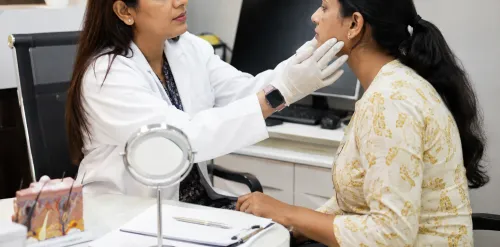
A dermatological assessment helps determine what is actually producing the visible change.
Medical history is also relevant because platelet-related conditions, medications, active infections, and other health considerations can influence treatment planning.
What Is Recovery Like
Because PRP commonly involves injections or techniques that introduce the prepared plasma into targeted areas, temporary redness, tenderness, swelling, or small injection marks may occur.
Patients should follow the aftercare instructions provided by their treating doctor. Skincare products should not be restarted indiscriminately immediately after treatment, particularly if they contain irritating active ingredients.
Are Multiple Sessions Needed
Treatment schedules vary.
Some individuals may be advised to undergo multiple sessions at planned intervals, while others may require PRP as one component of a combination treatment strategy. The appropriate approach depends on the indication, baseline skin condition, response, and treatment goals.
At Dr. Swati Gurav Dermatologist and Cosmetologist, PRP suitability can be evaluated after examining the patient's skin and discussing realistic expectations.
For people in Ulhasnagar considering PRP therapy for Skin Rejuvenation, it helps to view the procedure as a medical aesthetic option rather than an instant beauty treatment. Appropriate patient selection, clinical technique, hygiene, aftercare, and realistic expectations all contribute to responsible treatment planning.
Keywords