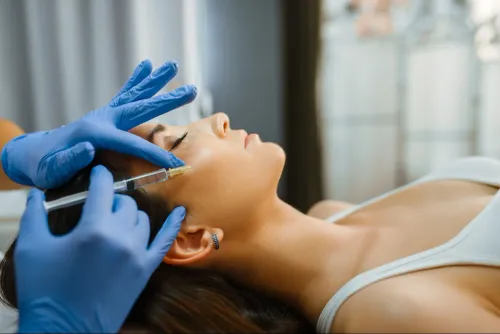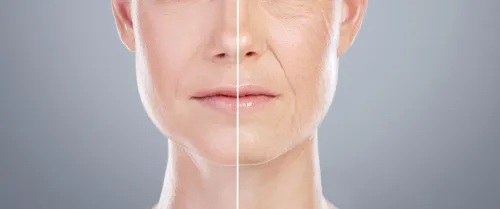
Uneven pigmentation, rough patches, enlarged-looking pores and early fine lines can make your skin appear tired even when it is healthy. Because “laser facial” can describe several different technologies, you need to identify the device, expected downtime and treatment plan before judging whether it can deliver a smoother, refreshed appearance.
Key takeaways
- Match the laser wavelength and depth to the skin concern you want to improve.
- Ask which device, settings, downtime, and expected number of sessions apply to you.
- Expect results to develop over days or weeks rather than immediately.
- Discuss recent tanning, medications, pigmentation risk, and active skin conditions before treatment.
Which laser technology matches the skin change you want to improve?
A laser facial treatment is not one standardized procedure: the wavelength, pulse pattern and depth determine which skin change improves and how long healing takes. Match the technology to the concern rather than choosing a package labelled “laser facial.”
| Option | Main target | Treatment depth and likely downtime |
|---|---|---|
| Non-ablative fractional laser | Fine lines, rough texture, enlarged-looking pores and mild sun damage | Heats columns in the dermis while leaving most of the surface intact; redness, warmth and dryness usually settle faster than after ablative resurfacing, but a series is common |
| Q-switched laser | Uneven pigmentation and selected brown spots | Delivers short energy pulses to pigment with limited surrounding heating; temporary darkening or light crusting can occur, with little social downtime |
| IPL treatment for pigmentation | Freckles, diffuse sun-related redness or uneven tone | Uses broad-spectrum light rather than a single laser wavelength; redness and pigment darkening can last several days |
| Carbon-assisted laser treatment | Dullness, surface oil, rough feel and enlarged-looking pores | A carbon layer helps absorb energy at the surface; brightness often returns quickly, with minimal peeling or redness |
Ablative fractional CO2 or erbium:YAG resurfacing removes microscopic columns of skin and heats deeper tissue, producing stronger resurfacing for pronounced texture, fine lines or acne scars. It also brings more swelling, crusting, oozing and healing time. Non-ablative treatment leaves the surface more intact, but its improvement is usually subtler and develops over weeks to months.
Neither option removes substantial excess skin or creates a facelift-like lift.
What happens during a laser facial session?
A session starts with a laser facial consultation covering your medical history, current medicines, recent tanning, skin sensitivity and the change you want to improve. The clinician examines your skin and takes photographs when they help track progress.
- Your face is cleansed, with makeup, sunscreen and surface residue removed.
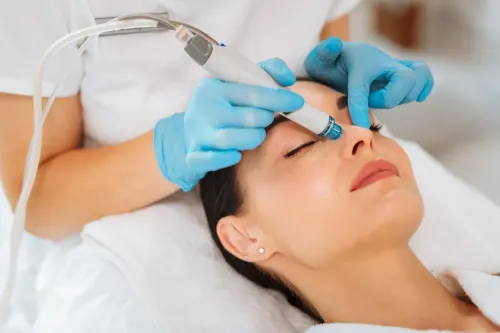
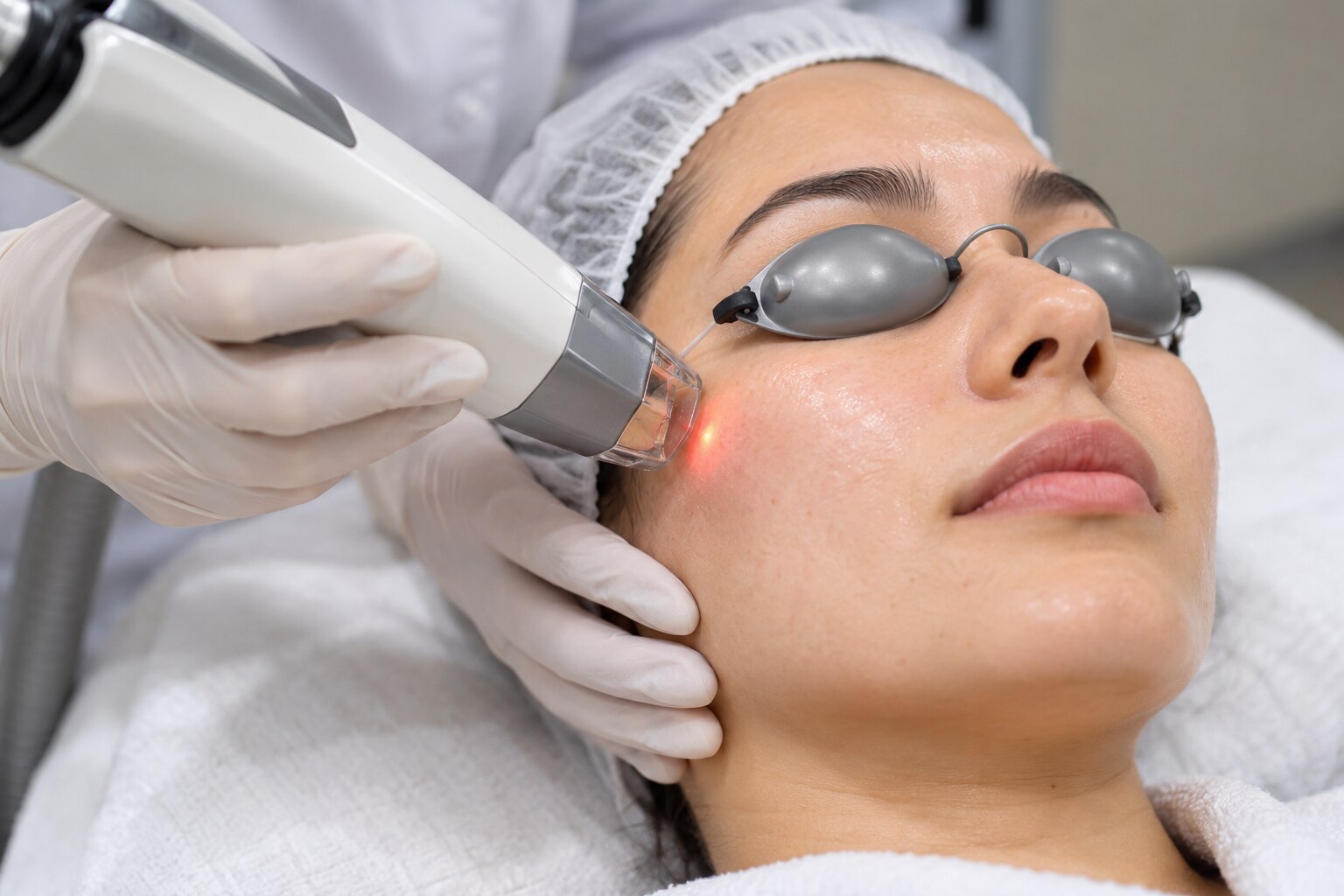
- You receive laser eye protection matched to the wavelength; ordinary sunglasses are not enough. Periocular treatment needs additional shielding.
- The clinician may perform a small test spot, especially when your skin type or pigment risk needs checking.
- The device makes controlled passes over the treatment area. You may feel warmth, snapping or prickling.
- Laser treatment cooling, such as chilled air or a cool contact tip, reduces heat and discomfort during or after the passes.
- The clinician applies products selected for the treated skin, then explains cleansing, moisturising, sun protection and warning signs.
Redness, warmth, mild swelling and tenderness can follow. Dryness, peeling, temporary darkening or lightening may appear as the skin settles; redness and swelling can briefly make it look worse.
Your laser facial downtime depends on intensity. After a mild non-ablative session, you may return to work if visible redness suits your plans. Stronger resurfacing can require several days or longer before peeling, tenderness and noticeable redness settle, so schedule it before—not immediately before—a social event.
How does a laser facial compare with other skin treatments?
A HydraFacial versus laser facial choice depends on whether you want temporary cleansing and hydration or treatment of pigment, texture, or dermal collagen. A chemical peel versus laser decision also depends on depth: acid loosens surface cells, while selected lasers deliver controlled heating or remove tissue.
| Option | Main reach and purpose | Sensation, downtime and sessions |
|---|---|---|
| HydraFacial | Cleanses, exfoliates and hydrates the surface; does not remodel deeper tissue | Suction and mild tingling; little downtime; repeated sessions for maintenance |
| Chemical peel | Loosens surface pigment and dead cells; strength depends on the acid and concentration | Stinging, peeling or temporary darkening; usually a series |
| Carbon peel | Carbon lotion plus laser targets surface debris, oil and dullness, with mild heating | Warm snapping sensation; little downtime; several sessions |
| Hollywood Peel | A carbon-assisted laser treatment for brightness, oil control and enlarged-looking pores | Mild heat and tingling; minimal downtime; repeated treatments |
| Non-ablative laser facial | Heats dermal tissue while preserving more of the surface, addressing pigment, fine lines and texture | Warmth or snapping; redness and dryness; commonly a series |
| Fractional CO2 resurfacing | Vaporizes treatment columns and heats deeper tissue for stronger texture and scar improvement | More pain, swelling, crusting and healing; fewer sessions can produce larger change |
In a Hollywood Peel comparison with laser facial treatment, the Hollywood approach is usually gentler and more superficial. A laser is not automatically safer than a peel or microneedling: wavelength, fluence, pulse duration, spot size, treatment density, cooling and operator technique determine risk more than the word “laser.”
When should you expect smoother-looking skin, and how long can it last?
A mild treatment can give surface brightness within days, but that early glow is not the full laser facial results timeline. Redness, swelling or dryness after resurfacing can briefly make skin look worse.
Pigment fading develops over several weeks as treated pigment clears. Fine lines and texture improve more slowly through collagen remodeling after laser, often over two to six months.
| Treatment | Visible change | Typical planning |
|---|---|---|
| Ablative fractional CO2 or erbium:YAG | More change after one session; more peeling and downtime | Allow a longer recovery interval before reassessment or another treatment |
| Non-ablative fractional laser | Gradual texture and fine-line improvement | Plan a series of laser facial sessions, spaced several weeks apart |
| Mild pigment-focused treatment | Brightness or pigment change can appear sooner | Repeat after the skin settles and the clinician reviews response |
Exact timing depends on wavelength, energy, treatment density and your concern. A clinician plans the next session after healing and response, not by a fixed package schedule.
Laser facial maintenance includes daily broad-spectrum sunscreen and repeat procedures when benefits fade. Sun exposure, smoking, active skin disease and future aging shorten or alter the result, so duration varies.
Laser treatment softens selected lines, pigment and texture; it does not remove excess skin or create a facelift-like lift. Improvement is partial, not a return to untouched skin.
How can you decide whether the treatment is safe and suitable for your skin?
Safety depends on your current skin, medical history and the treatment settings—not simply on choosing a laser facial. Use this laser facial precautions checklist before booking:
1. Postpone treatment if you have an active infection, eczema or other inflammation, sunburn, or recent tanning. Ultraviolet exposure makes results less predictable and raises pigment risk.
2. Disclose cold sores, photosensitivity medicines, immune suppression, slow wound healing, keloids or other abnormal scarring, and previous light or dark pigment changes. A clinician may prescribe antiviral medicine before resurfacing if herpes reactivation is a concern.
3. Ask for a laser facial skin type assessment, especially if you have Fitzpatrick skin type IV–VI or tan easily. Discuss conservative settings and a test spot to reduce the chance of post-inflammatory hyperpigmentation; pigment management before or after treatment may be appropriate.
4. Confirm your recovery plan: avoid deliberate sun exposure, apply broad-spectrum sunscreen, and use physical protection such as a hat or clothing. Sunscreen does not replace avoiding sun while treated skin heals.
5. Ask which changes are expected and when to seek help. Redness, swelling, tenderness, dryness, peeling and temporary darkening can occur, but infection, prolonged redness, worsening swelling, scarring, or persistent light or dark patches require medical review.
A dermatologist-led assessment at Dr. Swati Gurav Dermatologist & Cosmetologist can match the device, fluence and downtime to your concern instead of a generic package. For a laser facial dermatologist Dombivli consultation, bring your medication list and treatment history.
Related service
Laser Facial Revitalize your skin with an advanced Laser Facial at Dr. Gurav’s Skin Hair Laser Clinic, Dombivli. Performed by Dr. View service → |
Frequently asked questions
Which laser technology matches the skin change you want to improve?
The best option depends on the target concern, such as uneven pigment, redness, acne scars, fine lines, or overall texture. Wavelength, pulse pattern, and treatment depth determine how the laser interacts with skin and how much recovery it requires.
What happens during a laser facial session?
The clinician assesses your skin, cleans the treatment area, reviews eye protection and aftercare, then applies the laser with selected settings. You may feel warmth, snapping, or tingling, followed by temporary redness or swelling depending on the technology and intensity.
How does a laser facial compare with other skin treatments?
Laser treatment uses controlled light energy and can target specific layers or chromophores. Peels, microneedling, radiofrequency, and topical products work through different mechanisms, so compare their results, downtime, risks, and suitability for your concern.
When should you expect smoother-looking skin, and how long can it last?
Some changes appear after initial redness settles, while collagen-related improvements develop over several weeks or multiple sessions. Longevity depends on the concern, treatment type, skincare, sun exposure, and natural skin ageing.
How can you decide whether the treatment is safe and suitable for your skin?
Ask for a skin assessment and the exact device and settings proposed. Tell the clinician about tanning, darker skin tone, pigmentation history, cold sores, active acne or dermatitis, medications, pregnancy, and previous procedures before treatment.