Dull, tight or rough skin can result from surface scale, excess oil, dehydration, clogged pores or an underlying skin condition, and each cause responds differently. By understanding the treatment steps, realistic results, alternatives and safety checks, you can decide whether HydraFacial suits your concern or whether another dermatological treatment is more appropriate.
Key takeaways
- Expect cleansing, exfoliation, suction and serum infusion in one appointment.
- One session can refresh the surface; a course targets ongoing texture concerns.
- Postpone treatment over active irritation, infection, sunburn or open skin.
- Judge progress with consistent photos, comfort and texture—not shine alone.
What happens during a HydraFacial appointment, and which concerns can it address?
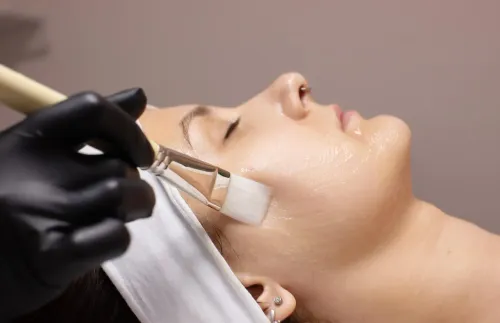
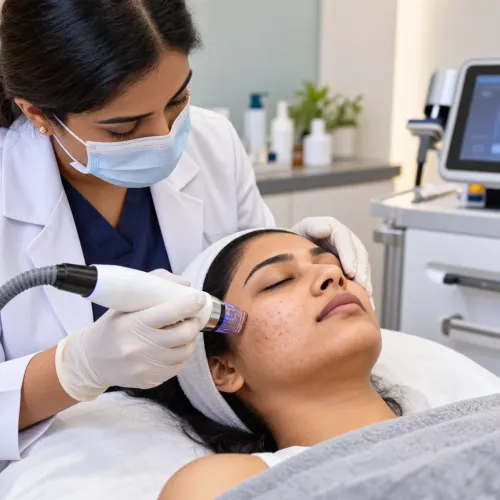
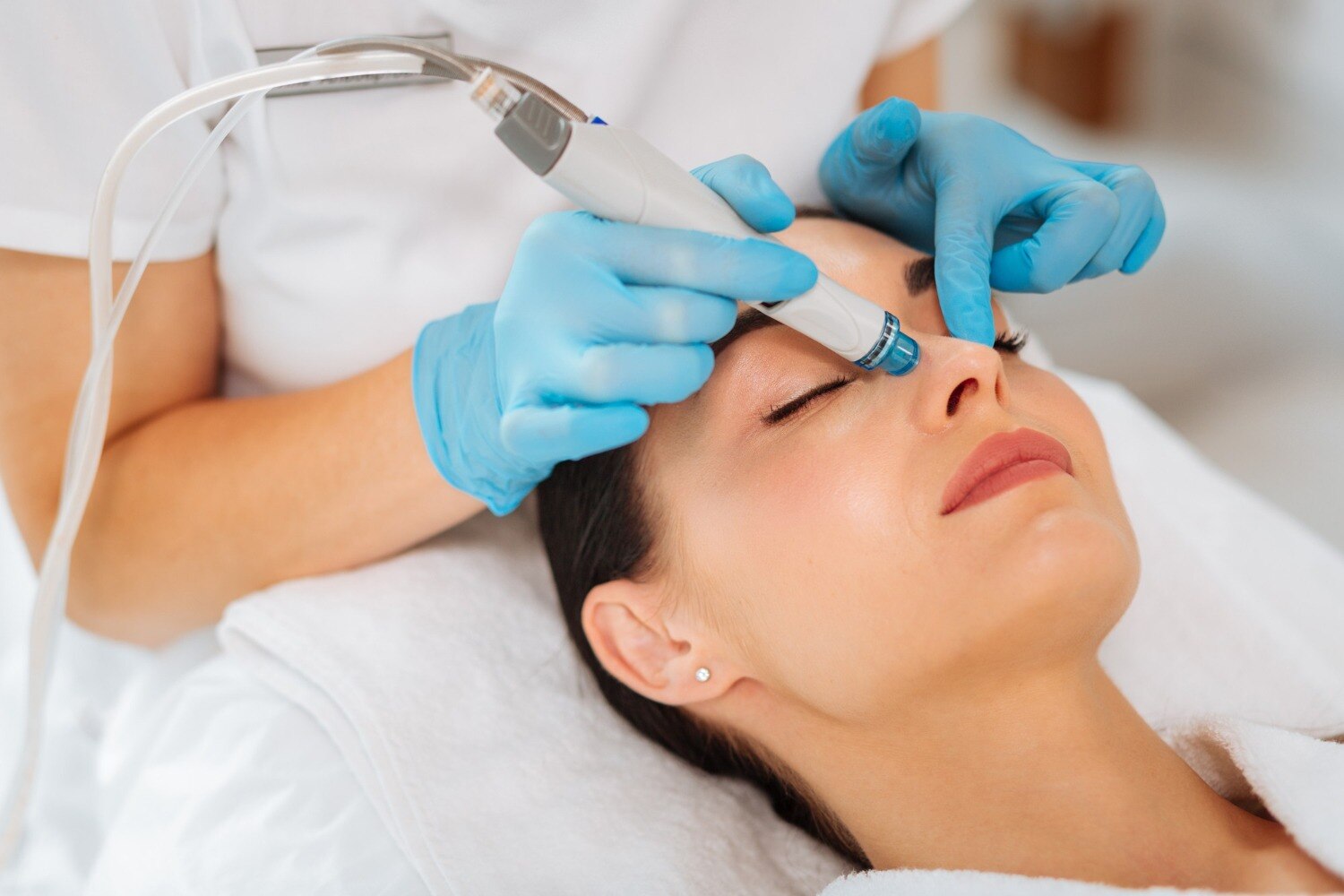
A HydraFacial appointment uses three linked actions: fluid-assisted cleansing and exfoliation, controlled suction, and serum infusion. This is how HydraFacial works: it loosens surface scale and oil, removes the debris, then coats the outer skin layer with hydrating or targeted ingredients.
HydraFacial steps usually follow this order:
- Cleansing and fluid-assisted exfoliation loosen accumulated corneocytes, flaky scale and surface oil. That can make light reflect more evenly, which explains much of the immediate radiance in HydraFacial for dull skin.
- Controlled suction removes loosened debris from pores. Oily or mildly congested skin may look cleaner, but suction does not permanently shrink pores or remove enlarged sebaceous glands.
- Serum infusion leaves humectants, emollients or other selected ingredients on the outer layer. HydraFacial for dehydration can make dry skin feel less tight and mildly rough skin feel smoother while increasing temporary water content.
| Concern | Most likely effect | What it does not correct |
|---|---|---|
| Dullness | Brighter, more even surface reflection | Deep pigmentation or vascular redness |
| Dehydration | Softer feel and reduced flaking | A permanently repaired skin barrier |
| Mild roughness | Smoother texture from less scale | Depressed acne scars or deep wrinkles |
| Congestion | Cleaner-looking pores | Enlarged sebaceous glands |
Suction pressure, the number of passes and the infusion formula affect comfort and outcome. Stronger treatment is not automatically better: excessive pressure or repeated passes can cause stinging, petechiae, bruising or prolonged irritation. The glow is mainly a surface effect, not proof that every cause of dullness has been treated.
What results should you expect after one session versus a course?
One session usually gives softer-feeling skin, less visible flaking, a temporarily hydrated appearance and short-term radiance. The change is most noticeable when dullness comes from superficial dryness, mild comedonal congestion or accumulated surface scale.
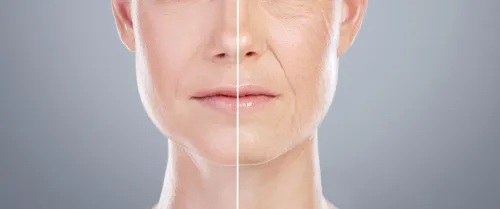
HydraFacial results fade as epidermal cells continue producing and shedding corneocytes. Serum hydration, lighting and temporary redness can make your HydraFacial before and after images look dramatically different on the same day, without proving lasting texture change.
| Option | Likely result | How long HydraFacial results last |
|---|---|---|
| One session | Smoother surface, reduced tightness and temporary glow | Days to a short period, depending on dryness and routine |
| A course | Repeated surface maintenance and more consistent smoothness | Requires individualized maintenance; it does not permanently remodel skin |
| Deeper concerns | Limited benefit for depressed acne scars, deep wrinkles, enlarged sebaceous glands or established post-inflammatory pigmentation | Needs a different treatment category |
- Consistent photographs in the same light, angle and distance
- One defined target, such as less surface scale or better tactile smoothness
- Progress checked after temporary serum shine and redness have settled
Evidence for branded or device-based hydradermabrasion remains less established than evidence for sunscreen, topical retinoids, acne treatment and selected chemical peels. Repeating aggressive exfoliation too often can cause stinging, scaling, irritant dermatitis, petechiae or prolonged sensitivity, so frequency should follow your skin’s response rather than a fixed promise of faster improvement.
How does HydraFacial compare with facials, peels, laser and microneedling?
Choose by depth, downtime, discomfort and purpose: surface refreshment is not the same as controlled skin injury that stimulates remodelling.
| Category | Depth and method | Downtime and discomfort | Best suited to |
|---|---|---|---|
| Regular facial | Cleansing, massage, masks and manual extraction; depth depends on technique | Usually little downtime; pressure or extraction can feel uncomfortable | Basic cleansing and temporary softness |
| HydraFacial vs regular facial | Fluid-assisted exfoliation, controlled suction and serum delivery in sequence; remains superficial | Usually little downtime; suction or active ingredients can cause brief stinging | Mild congestion, dehydration, surface dullness and rough scale |
| HydraFacial vs chemical peel | A peel applies a specified acid at a defined concentration to create deliberate shedding; depth depends on formulation | Peeling, redness and recovery increase with peel depth | More targeted exfoliation when a clinician selects the appropriate acid and strength |
| HydraFacial vs laser facial | Light or laser energy targets selected pigment, vessels, texture or collagen concerns | Heat, redness and recovery vary by device and settings | Specific pigment, vascular or collagen-related concerns |
| HydraFacial vs microneedling | Microneedling creates controlled punctures that trigger wound-healing responses | More discomfort and aftercare; redness can last longer | Selected acne scars, fine lines and collagen-related texture |
HydraFacial suits modest surface smoothing with minimal interruption. It is the wrong expectation for depressed acne scars, deep wrinkles or substantial post-inflammatory scarring. It is not equivalent to medical dermabrasion, fractional laser resurfacing or a medium-depth chemical peel.
Which skin types suit HydraFacial, and when should you postpone it?
HydraFacial can suit oily, dry, sensitive, acne-prone, pigmented and mature skin when the settings and ingredients match the skin’s condition.
| Skin type | Safer approach | When to postpone |
|---|---|---|
| Oily or mildly congested | Conservative suction and limited passes | Severe inflammatory acne or broken skin |
| Dry | Hydration with minimal exfoliation | Burning, fissures or an active dermatitis flare |
| Sensitive | Low pressure; avoid fragrance, unnecessary acids and irritating brighteners | Uncontrolled eczema, rosacea or psoriasis |
| Darker or pigmentation-prone | Gentle settings, strict sun protection and possibly a test area | Recent irritation or unexplained darkening |
| Mature | Limited passes and careful pressure to protect thinner, drier skin | Open wounds, sunburn or marked sensitivity |
HydraFacial for sensitive skin requires more than choosing a hydrating serum. Acids, fragrances, botanical extracts, preservatives and brightening agents can trigger irritation or allergy. HydraFacial for acne-prone skin may help mild congestion, but suction over inflamed lesions can worsen irritation. HydraFacial for pigmentation should not replace diagnosis or guarantee removal of post-inflammatory marks.
Postpone treatment for active cold sores, bacterial or fungal infection, open wounds, sunburn, severe inflammatory acne, uncontrolled eczema, dermatitis, rosacea or psoriasis. Exfoliation and suction can spread infection, prolong inflammation or cause petechiae, bruising and erosions.
New, itchy, painful, scaly or persistently red dullness needs assessment first. Eczema, seborrheic dermatitis, acne, rosacea, psoriasis, contact dermatitis or medication-related dryness may be causing it.
Before booking, disclose:
- Retinoids, benzoyl peroxide, exfoliating acids, prescription or photosensitizing medicines
- Recent waxing, laser, peel or injectable treatment
- Isotretinoin history, cold sores, allergies and abnormal scarring
Ask for the appropriate waiting period; it depends on the earlier procedure and your current skin condition.
How can you choose a safe HydraFacial plan and judge whether it is working?
A safe HydraFacial plan starts with a skin assessment, not a preset package. During your HydraFacial consultation, ask who will assess you, which exfoliant and infusion ingredients will be used, what suction pressure and number of passes are planned, and how settings will change for sensitive skin or a history of dark marks after irritation.
Use this checklist:
- Ask how the provider will prevent or manage petechiae, bruising, erosions and prolonged irritation.
- Confirm whether temporary erythema, tightness, stinging, dryness or sensitivity is expected, and when each symptom needs review.
- Disclose retinoids, benzoyl peroxide, exfoliating acids, recent waxing, laser, peels, injectables, isotretinoin, photosensitising medicines, cold sores and abnormal scarring.
- Continue daily broad-spectrum sunscreen. Use a bland moisturizer after treatment instead of adding acids or retinoids immediately, unless your clinician advises otherwise.
| Check | Reassuring plan | Reason to pause |
|---|---|---|
| Assessment | Dermatologist-led review | Dullness, pigmentation or texture has no clear diagnosis |
| Settings | Conservative pressure and limited passes | “Stronger” treatment offered without examining your skin |
| Ingredients | Formula matched to your history | Unnecessary fragrance, acids or brightening agents |
Dermatologist-led HydraFacial Dombivli assessment at Dr. Swati Gurav Dermatologist & Cosmetologist can distinguish a superficial cosmetic concern from eczema, rosacea, pigmentation or another condition needing medical treatment. Judge progress with photographs taken in the same light and a defined measure, such as tactile smoothness. Stop if burning, swelling, a worsening rash or persistent irritation develops.
Related service
HydraFacial Treatment Achieve healthy, radiant, and deeply hydrated skin with HydraFacial at Dr. Gurav’s Skin Hair Laser Clinic, Dombivli. View service → |
Frequently asked questions
What happens during a HydraFacial appointment?
The treatment combines fluid-assisted cleansing and exfoliation, controlled suction to remove loosened debris, and serum infusion.
What results can you expect after one HydraFacial session?
One session can improve surface smoothness, hydration and the appearance of dullness. Deeper or persistent texture concerns need assessment and a planned course.
How does HydraFacial compare with peels, laser and microneedling?
HydraFacial focuses on surface cleansing, exfoliation and hydration. Peels, laser and microneedling create different levels of controlled skin injury and suit different concerns, downtime needs and risk profiles.
Which skin types suit HydraFacial, and when should you postpone it?
It can suit many skin types after a professional assessment. Postpone treatment over active irritation, infection, sunburn, open wounds or a damaged skin barrier.
How can you tell whether a HydraFacial plan is working?
Track the same concerns with consistent photographs, note changes in tightness and roughness, and review whether benefits last between sessions without increasing irritation.