PRP is not a universal treatment for every wrinkle, scar, or episode of hair shedding. The right choice depends on the underlying diagnosis, the degree of tissue change, available alternatives, and the time you can commit to a treatment course. By the end, you will know which concerns are reasonable PRP targets, which need another treatment, and what a realistic appointment and result timeline look like.
Key takeaways
- PRP suits gradual texture and collagen concerns, not deep scars or major lifting.
- Diagnose sudden, patchy, or inflamed hair loss before choosing PRP.
- Expect a series of appointments and gradual changes rather than immediate results.
- Compare PRP with minoxidil, finasteride, and other treatments before deciding.
Which Skin Concerns Are Reasonable PRP Targets?
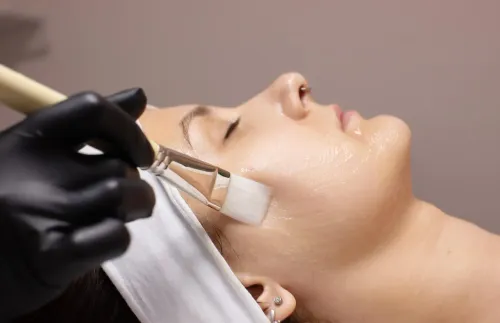
PRP for skin rejuvenation fits best when your goal is gradual collagen remodeling: fine lines, early loss of firmness, enlarged pores, uneven texture, and selected acne-scar texture. It is not a reliable substitute for removing deep scars, substantially lifting lax skin, replacing facial volume, or correcting prominent pigmentation.
| Option | Best suited to | Trade-off |
|---|---|---|
| PRP | Fine lines, early firmness loss, pores, uneven texture | Low-to-moderate downtime; repeated sessions; gradual, modest depth |
| Broad-spectrum sunscreen | Preventing worsening texture and pigmentation | Daily effort; prevents damage rather than lifting or resurfacing |
| Topical retinoids or prescribed medication | Fine lines, acne, uneven tone and texture | Daily use; irritation; improvement builds slowly |
| Chemical peels | Surface texture, mild acne marks and pigmentation | Short peeling downtime; shallower improvement |
| Fractional laser | Textural change, pores and atrophic scars | More downtime and cost; deeper remodeling |
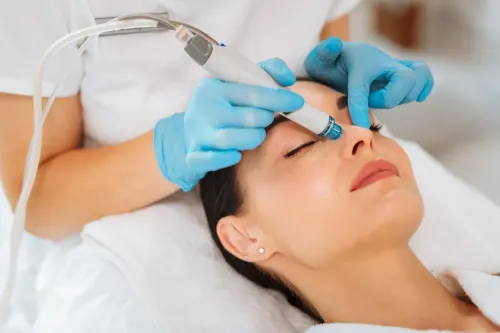
| Microneedling | Pores, uneven texture and selected shallow scars | Repeated sessions; moderate depth |
| Subcision | Tethered, rolling acne scars | Bruising and swelling; targets scar bands, not pigmentation |
| Fillers | Lost facial volume and selected depressed scars | Immediate volume; injection risks and maintenance |
For acne-scar texture, PRP therapy interventions beyond PRP alone—such as microneedling, fractional laser, or subcision—have stronger logic because they physically remodel scar tissue; PRP alone is not a replacement. Results vary because preparation and delivery differ, so judge progress with standardized photographs rather than early swelling.
Which Hair Concerns Need PRP and Which Need a Diagnosis First?
PRP has its strongest rationale for early androgenetic alopecia and some cases of diffuse thinning, not for every cause of hair loss. Gradual widening of the part, a receding hairline, or finer hairs on dermoscopy supports pattern loss; sudden shedding with a positive hair-pull test points elsewhere and requires diagnosis before assessing PRP suitability.
| Pattern | Clues | PRP decision |
|---|---|---|
| Early androgenetic alopecia | Gradual patterned thinning, hair-shaft variation, miniaturized hairs | Scalp PRP is a reasonable adjunct; it will not reliably restore advanced bald areas |
| Diffuse thinning | Reduced density across the scalp with preserved skin | Investigate the cause before treatment |
| Telogen effluvium | Sudden shedding after illness, stress, weight loss, childbirth, or surgery | Find and correct the trigger; PRP is not the first step |
| Alopecia areata | Smooth, sharply defined patches or exclamation-mark hairs | Needs disease-specific treatment, not automatic PRP |
| Scarring alopecia | Inflammation, scale, pain, pustules, or shiny skin without follicle openings | Arrange urgent assessment and possible biopsy before injections |
| Thyroid, iron, nutritional, hormonal, or medication-related loss | Symptoms, dietary restriction, menstrual change, or a new medicine | Treat the underlying cause first |
The clinician reviews onset, family history, illness, diet, menstrual or menopausal changes, medicines, and supplements. Scalp examination, dermoscopy, and hair-pull findings distinguish miniaturization from active shedding or follicle destruction.
Testing may include a complete blood count, ferritin, thyroid tests, and targeted vitamin or nutritional tests. Hormonal evaluation fits signs such as irregular periods, excess facial hair, or acne. A scalp biopsy helps confirm suspected scarring alopecia when examination and dermoscopy show inflammation or lost follicle openings.
What Happens During a PRP Skin or Scalp Appointment?
Arrive with a clean treatment area and tell the clinician about anticoagulants, antiplatelet drugs, bleeding problems, anemia, and every current medicine. Never stop a prescribed drug without medical advice. Active infection, significant blood-count abnormalities, or another medical issue requires assessment before treatment.
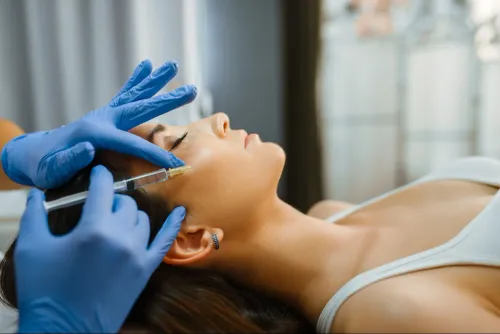
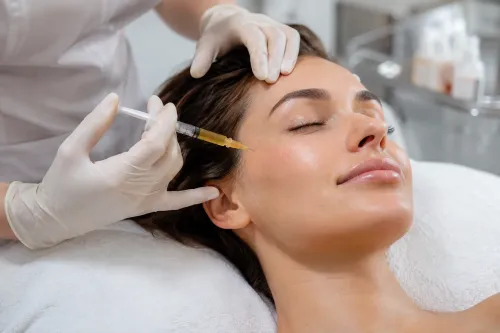
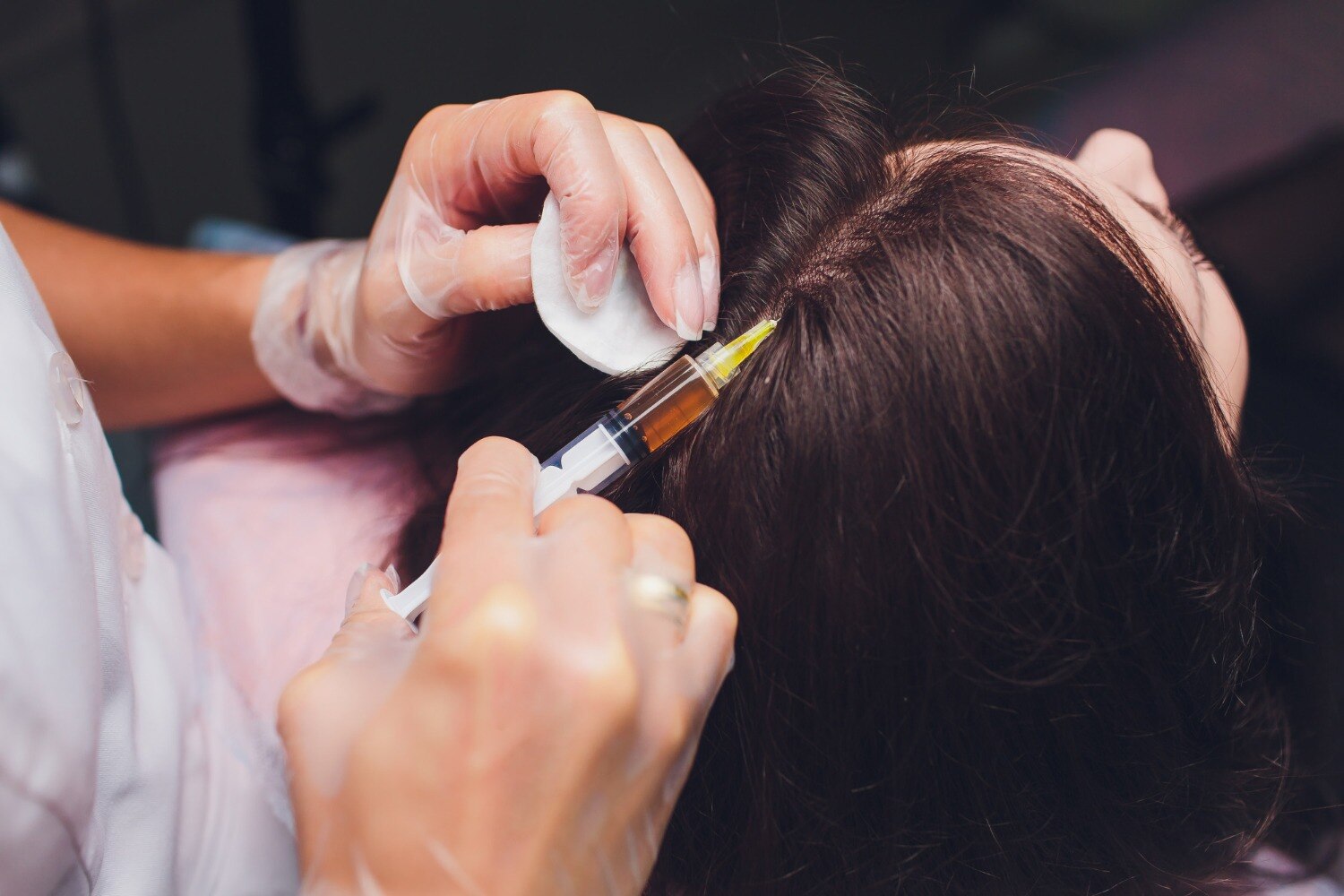
The PRP appointment process begins with medical history, examination, and photographs. The clinician maps thinning zones or facial concerns, then completes the blood draw and centrifugation. After spinning, the plasma layer is separated from red cells and other blood components before injection planning.
| Area | Mapping and injection approach | Numbing |
|---|---|---|
| Scalp injections | Mark thinning zones and place multiple small injections across the affected scalp | Cooling, topical anesthetic, or local anesthetic when needed |
| Facial injections | Mark lines, scars, pores, or texture irregularities and use a more controlled, superficial pattern | Topical numbing is common; local anesthetic may suit selected areas |
The clinician ends with a short observation period to check dizziness, bleeding, or an immediate reaction. Follow facial PRP preparation and aftercare instructions: avoid touching the area with unwashed hands, strenuous exercise, alcohol, and irritating products for the advised period. Mild tenderness, swelling, bruising, or redness can occur.
Seek medical review for increasing pain, spreading redness, pus, or fever.
What Results Can You Realistically Expect, and When?
Expect gradual change, not an instant transformation. The PRP results timeline for hair usually requires several months: shedding may reduce and hair shaft thickness may increase, but PRP does not reliably regrow hair in advanced bald areas.
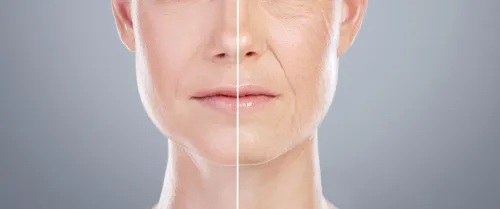
Skin may develop smoother texture, less noticeable fine lines, and gradual collagen remodeling, not deep acne-scar removal or filler-like facial volume.
| Concern | Realistic result | Important limit |
|---|---|---|
| Hair thinning | Reduced shedding and modestly greater density or hair shaft thickness | Advanced bald areas may not regrow |
| Skin texture | Smoother surface and improved fine-line appearance over time | Deep scars need treatments such as laser or subcision |
| Volume loss | Little to no filler-like fullness | Fillers address volume more directly |
Studies are difficult to compare because preparations differ in platelet concentration, red-cell and leukocyte content, activation method, injection depth, injection volume, and session schedule. The label PRP alone does not identify one reproducible treatment.
Clinicians commonly plan an initial series, often about three scalp sessions one month apart, then assess progress over the next several months. Standardized photographs and hair-density measurements are more reliable than casual mirror checks; early swelling can mislead you. Improvement may fade, prompting PRP maintenance sessions or continuation recommended after review.
Bruising, tenderness, swelling, and redness are expected short-term PRP side effects. Increasing pain, spreading redness, pus, fever, or inflammation that persists requires medical review for infection or another complication.
How Does PRP Compare With Other Hair-Loss Treatments?
PRP is not automatically the best first choice. Start with the diagnosis, then compare daily effort, procedural burden, permanence, and whether you can maintain the result.
| Option | Daily effort and burden | Best fit and limitations |
|---|---|---|
| Topical minoxidil | Daily application; irritation or shedding can occur initially | Early pattern thinning; gains usually require continued use. PRP versus minoxidil is not a choice where PRP has proved superior. |
| Finasteride and other oral prescriptions | Convenient dosing, but requires medical screening and monitoring | Pattern loss, mainly when follicles remain active; stopping usually forfeits benefit. Pregnancy and breastfeeding restrictions apply, and some minoxidil uses also require avoidance or clinician advice. |
| Low-level light therapy | Repeated home or clinic sessions; improvement is gradual | Early thinning when you want a non-drug option; maintenance remains necessary. |
| Microneedling for hair loss | Periodic procedures, discomfort, and infection risk if performed poorly | Sometimes an adjunct for early loss; it is not interchangeable with injected PRP. |
| Hair transplantation | Surgery, recovery, donor-area limits, and significant cost | Advanced, stable areas with adequate donor hair; transplanted follicles are long-lasting, but surrounding hair can continue thinning. |
| Treating disease or deficiency | Testing and treatment depend on the cause | Thyroid disease, iron deficiency, telogen effluvium, alopecia areata, or scarring alopecia need diagnosis-led care; PRP should not delay it. |
Consult a clinician before starting prescription treatment, and do not stop prescribed medicine without advice. A dermatologist-led review at Dr. Swati Gurav Dermatologist & Cosmetologist in Dombivli can match the diagnosis, contraindications, alternatives, and realistic maintenance plan to you.
Frequently asked questions
Which skin concerns are reasonable targets for PRP?
PRP may suit fine lines, early loss of firmness, enlarged pores, uneven texture, and selected acne-scar texture. It is not a reliable substitute for deep-scar removal, major lifting, facial-volume replacement, or prominent pigmentation correction.
Which hair concerns need a diagnosis before PRP?
Sudden shedding, patchy hair loss, scalp inflammation, pain, scaling, or scarring require a diagnosis first. PRP is more appropriate after a dermatologist identifies the type and cause of hair loss.
What happens during a PRP skin or scalp appointment?
The clinician reviews your concern, examines the skin or scalp, draws a small blood sample, separates platelet-rich plasma, and injects or applies it to the selected area. The exact technique depends on the treatment goal.
When should you expect results from PRP?
PRP produces gradual changes rather than an immediate lift or instant hair regrowth. Your clinician will set the number and spacing of sessions, while visible improvement depends on the concern, diagnosis, and response.
How does PRP compare with other hair-loss treatments?
PRP is one option among treatments such as minoxidil and finasteride. The best choice depends on the diagnosis, medical history, treatment goals, maintenance needs, and possible side effects.