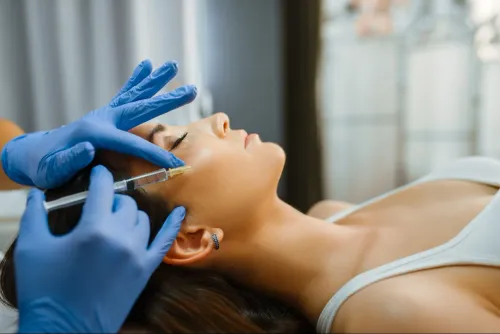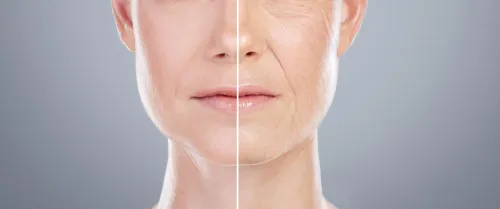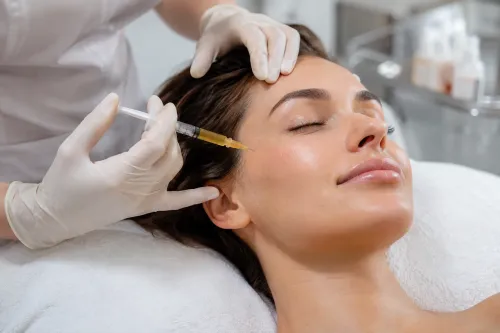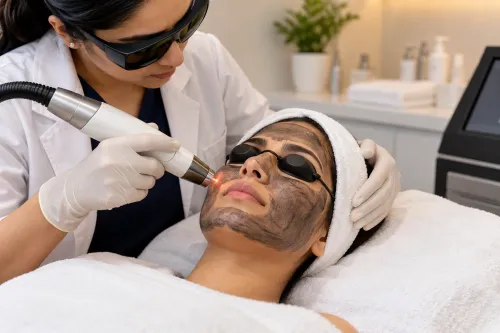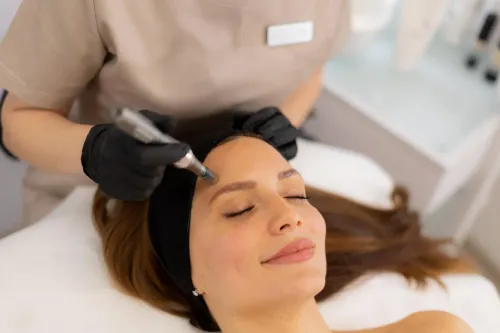
Persistent acne scars can affect the skin at different depths. When deeper remodelling is required, MNRF Treatment, also known as microneedling radiofrequency, may be considered as part of an individualised scar-management plan.
For people in Ambarnath, Maharashtra, evaluating MNRF should involve scar type, expected downtime, treatment sessions, risks, and whether combination treatment is likely to be necessary.
How MNRF works
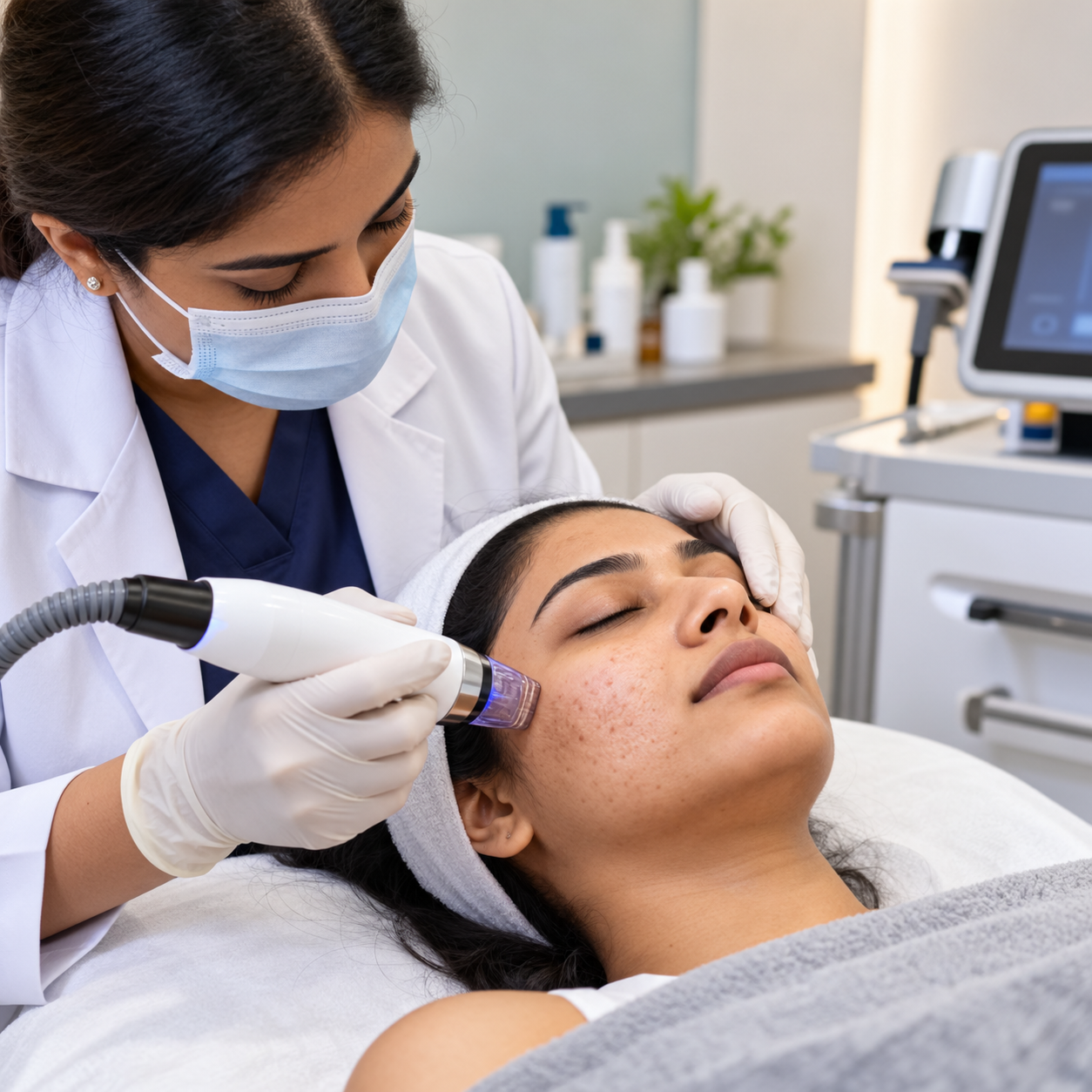
MNRF uses fine needles to enter the skin at controlled depths while delivering radiofrequency energy into targeted tissue.
This combines mechanical microneedling with controlled thermal energy. The objective is to stimulate tissue remodelling while allowing treatment parameters to be adjusted according to the concern.
When MNRF may be considered
Dermatologists may use MNRF for selected cases involving:
- Atrophic acne scars
- Uneven skin texture
- Enlarged-looking pores
- Certain fine lines
- Skin remodelling
The procedure is not automatically appropriate for every scar.
Some deep scars may require subcision, focal techniques, laser procedures, or combination therapy.
How to decide between microneedling and MNRF
Standard microneedling creates controlled micro-injuries without delivering radiofrequency energy.
MNRF adds thermal energy at selected tissue depths. This can make it useful when deeper controlled remodelling is desired.
The choice should depend on scar characteristics, skin type, previous treatments, downtime tolerance, and clinical assessment.
What happens during a session
After cleansing, topical anaesthetic is generally applied to improve comfort.
The device is then used systematically across the treatment area. Needle depth and energy can be modified depending on the anatomical area and treatment objective.
Patients may experience pressure, warmth, or discomfort despite numbing.
Recovery after MNRF
Redness and mild swelling are common shortly after treatment. Some patients may develop tiny crusts, dryness, or temporary roughness.
The visible recovery period can extend for several days depending on treatment intensity.
Improvement in scars takes longer because collagen remodelling occurs progressively.
Benefits patients may experience
Potential benefits include improvement in selected acne scars, skin texture, and overall surface irregularity.
MNRF also allows controlled energy delivery at different depths, which can be useful when treatment needs to target more than the superficial skin.
Risks to consider
Potential risks include redness, swelling, discomfort, temporary crusting, infection, pigmentary changes, burns, and scarring.
Appropriate settings and aftercare are particularly important for patients prone to post-inflammatory pigmentation.
Before treatment
Tell the dermatologist about active acne, infections, pregnancy, medicines, previous procedures, abnormal scarring, and any implanted medical devices when relevant.
The skin should be assessed before each session rather than assuming that previous settings remain appropriate.
Aftercare
Use gentle cleansing and recommended moisturisation. Sun protection is important during recovery.
Avoid picking crusts and applying harsh exfoliating ingredients until advised.
Frequently asked questions
How many MNRF sessions are usually needed
The number depends on scar severity and treatment response. Multiple sessions may be recommended at suitable intervals.
Is there immediate improvement
Initial swelling can temporarily change the skin's appearance, but true remodelling takes time.
Can all acne scars be treated with MNRF
No. Different scars respond to different procedures, and combination treatment may be required.
For patients considering MNRF Treatment in Ambarnath, a scar-specific evaluation can help determine whether radiofrequency microneedling is appropriate and what level of improvement is realistically achievable.
Keywords