Persistent hair fall can lead people to try oils, supplements, shampoos, and salon treatments without first determining why the hair is thinning. PRP Therapy for Hair Growth is a medical procedure that may support hair-loss management in appropriately selected patients, but its usefulness depends greatly on the underlying diagnosis.
For people in Dombivli, Maharashtra, readiness for PRP should therefore begin with a scalp and hair assessment.
What PRP hair treatment involves
PRP stands for platelet-rich plasma.
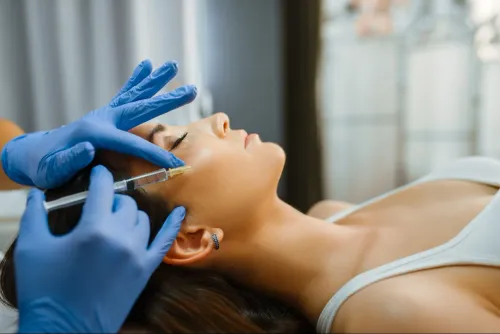
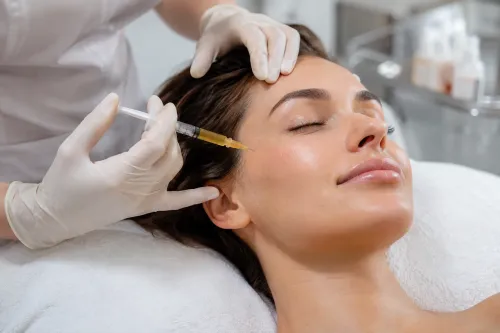
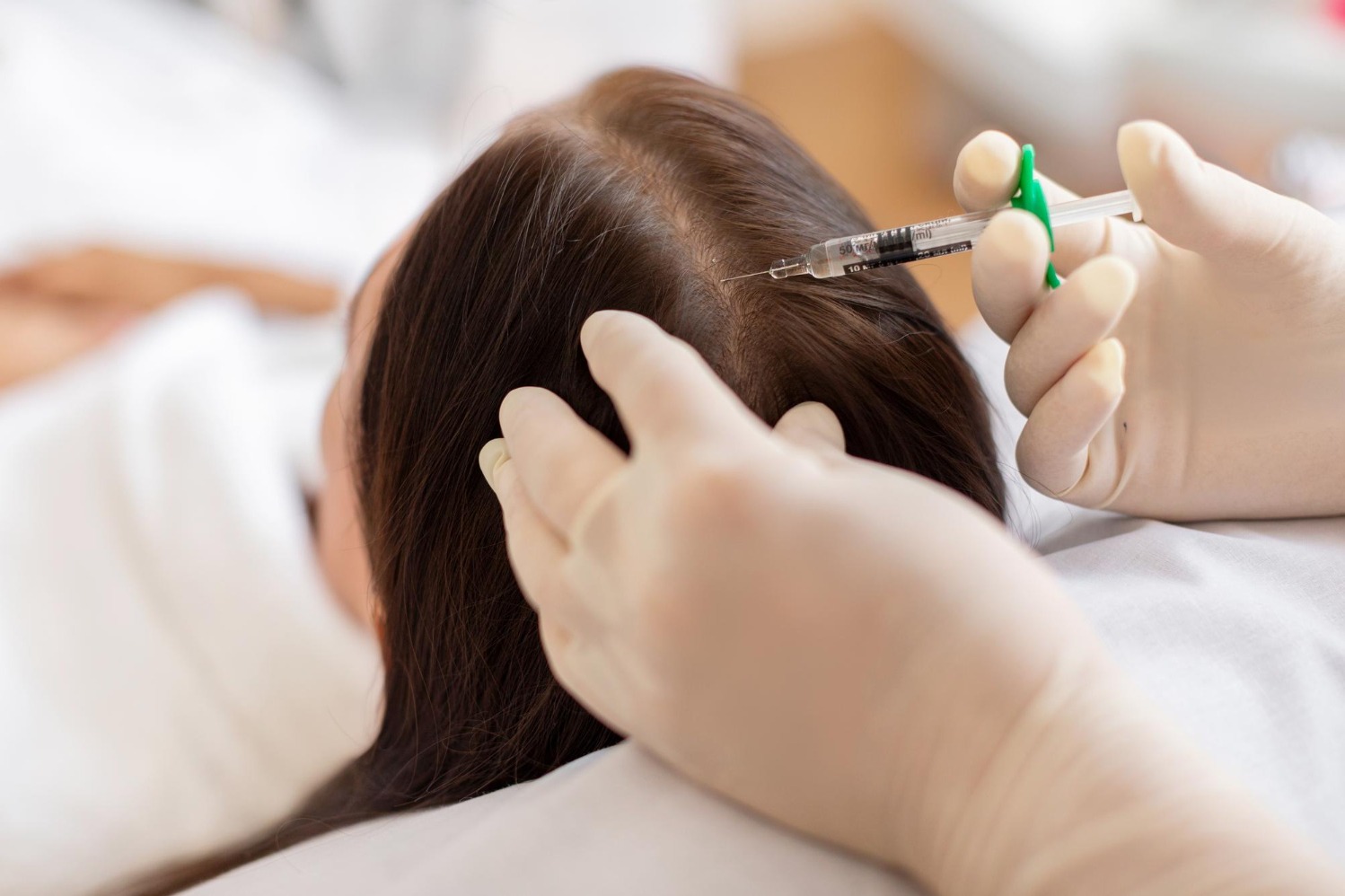
A small amount of the patient's blood is collected and processed to separate a platelet-concentrated component. This preparation is then administered into selected areas of the scalp according to the treatment protocol.
Because PRP is prepared from the patient's own blood, it differs from applying a cosmetic serum to the scalp.
Who may be suitable
PRP may be considered in selected types and stages of hair thinning, particularly when follicles remain capable of responding.
It is not a universal solution for every form of hair loss.
Hair fall can result from several causes, including nutritional deficiencies, thyroid disorders, stress-related shedding, scalp inflammation, genetic hair loss, medication, illness, and other medical conditions.
Diagnosis should therefore come before procedure selection.
What to check before choosing a provider
A suitable PRP consultation should assess:
- Pattern and duration of hair loss
- Scalp health
- Family history
- Recent illnesses
- Current medication
- Nutritional factors
- Previous hair treatments
- Possibility of underlying medical causes
Laboratory investigations may be suggested when clinically indicated.
Procedure and recovery
Blood is drawn and processed before PRP is injected into targeted scalp areas.
Patients may experience temporary tenderness, redness, swelling, pinpoint bleeding, or a feeling of tightness.
Most routine activities can generally be resumed relatively quickly, though individual post-treatment instructions should be followed.
Potential benefits
PRP may support improvement in hair density, thickness, or shedding in suitable patients.
Results develop gradually because hair growth follows biological cycles. Multiple sessions may be recommended, followed by maintenance depending on response and diagnosis.
Risks and limitations
Possible effects include:
- Injection discomfort
- Bruising
- Swelling
- Headache
- Temporary scalp tenderness
- Infection
- Temporary increase in shedding in some circumstances
Results vary, and no responsible treatment plan should promise guaranteed regrowth.
Preparing for PRP
Tell the dermatologist about medicines, bleeding disorders, infections, scalp disease, and other relevant medical conditions.
Follow specific instructions regarding hair washing and medication before the appointment. Do not stop prescribed medicines without advice from the clinician who manages them.
Care after the session
Avoid unnecessary rubbing or scratching of injection sites. Follow instructions regarding hair washing, exercise, heat exposure, and application of scalp products.
Continue any prescribed medical hair-loss treatment unless advised otherwise.
Frequently asked questions
How quickly does PRP grow hair
Hair-cycle changes take time. Improvement is generally assessed over months rather than days.
Is PRP useful for complete baldness
Areas where follicles are no longer viable may respond poorly. Assessment helps determine realistic expectations.
Does PRP replace hair-loss medicines
Not necessarily. PRP can be part of a broader treatment plan depending on the diagnosis.
Dr. Swati Gurav Dermatologist and Cosmetologist provides evaluation for patients considering PRP Therapy for Hair Growth in Dombivli, helping determine whether PRP is suitable and whether additional medical management should form part of the plan.
Keywords