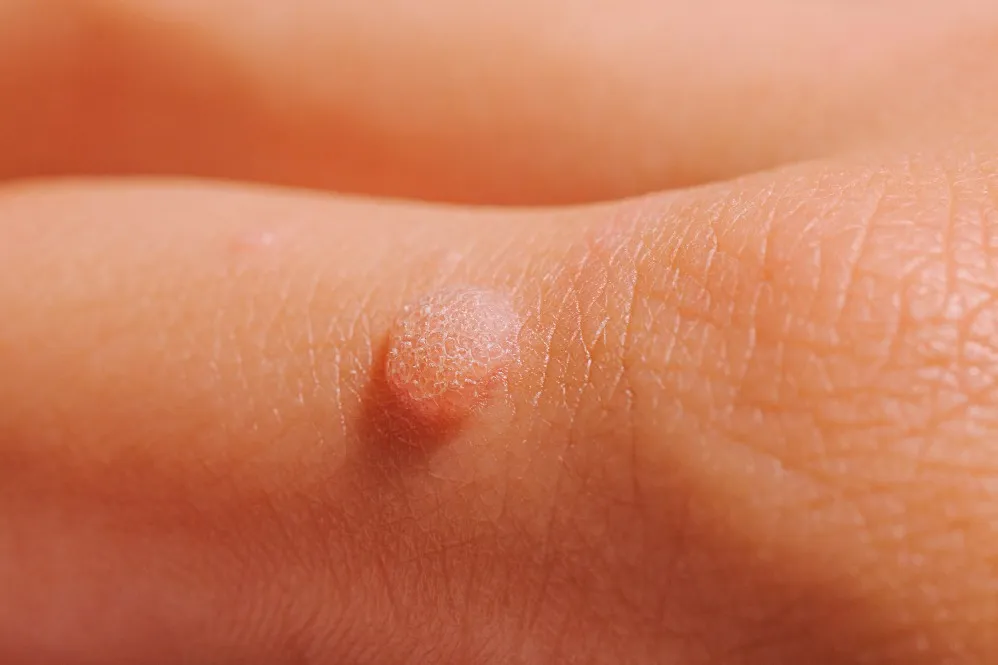
Warts are a common skin condition that can appear on the hands, feet, face, neck, or other parts of the body. Although they are usually harmless, they may become painful, spread to nearby skin, or cause cosmetic concerns depending on their location. Since warts are caused by a viral infection, they may increase in number or size if left untreated. Understanding professional Wart Removal options can help you choose the safest and most effective approach.
What Causes Warts?
Warts develop due to an infection with the Human Papillomavirus (HPV). The virus enters the skin through tiny cuts or abrasions and causes excessive growth of skin cells, resulting in a raised lesion.
Since HPV is contagious through direct skin contact or contaminated surfaces, warts can spread from one area of the body to another or even from one person to another.
Common types include:
- Common warts
- Plantar warts on the soles of the feet
- Flat warts
- Filiform warts, often seen on the face or neck
- Periungual warts around the nails
Identifying the type of wart is important because treatment varies accordingly.
Can Warts Go Away on Their Own?
Some warts disappear naturally as the immune system clears the virus. However, this process can take months or even years.
Professional treatment may be considered when:
- The wart is painful.
- It continues to grow.
- Multiple warts develop.
- It bleeds frequently.
- It affects daily activities.
- It causes cosmetic concerns.
A dermatologist can also confirm that the growth is actually a wart and not another skin condition requiring different management.
Professional Wart Removal Options
The most suitable treatment depends on the size, number, location, and type of wart.
Cryotherapy
Liquid nitrogen freezes the wart tissue, allowing it to gradually fall off over time. Multiple sessions may sometimes be required.
Electrocautery
Heat generated by electrical current is used to remove wart tissue under controlled conditions.
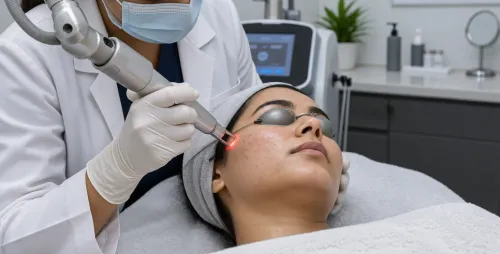
Laser Treatment
Certain stubborn or recurrent warts may be treated using medical lasers that precisely target the affected tissue while minimising damage to surrounding skin.
Minor Surgical Removal
For selected cases, the dermatologist may recommend carefully removing the wart under local anaesthesia.
The choice of treatment depends on clinical evaluation rather than a single method being suitable for everyone.
What Happens During the Procedure?
Most wart removal procedures are completed in an outpatient setting.
Depending on the treatment method, local anaesthesia may be used to improve comfort. The dermatologist removes or destroys the wart while preserving as much healthy surrounding skin as possible.
The duration of the procedure depends on the number and size of the lesions but is generally completed within a short appointment.
Recovery After Wart Removal
Recovery is usually uncomplicated.
Patients may notice:
- Mild redness
- Temporary tenderness
- Small scab formation
- Slight swelling
These changes are generally part of the normal healing process.
Following aftercare instructions is important for reducing the risk of infection and promoting proper healing.
Can Warts Return?
Even after successful removal, recurrence is possible because HPV may remain in nearby skin.
Although recurrence cannot always be prevented, certain measures may reduce the risk:
- Avoid picking at warts.
- Keep the affected area clean.
- Do not share towels or personal grooming items.
- Wear footwear in public swimming pools and changing rooms.
- Avoid shaving directly over facial warts.
Maintaining healthy skin and following medical advice also supports better outcomes.
Why Professional Treatment Is Recommended
Warts may appear similar to other skin growths, making accurate diagnosis important before treatment. Professional evaluation helps determine the type of wart and the most appropriate treatment while reducing the risk of unnecessary skin damage or complications.
Seeking care from a qualified dermatologist offers several advantages:
- Accurate diagnosis
- Individualised treatment planning
- Safe and appropriate removal techniques
- Reduced risk of scarring and infection
- Guidance for recurrent or multiple warts
When Should You Consult a Dermatologist?
You should consider medical evaluation if:
- The wart changes rapidly in appearance.
- It becomes painful or bleeds.
- Several new warts develop.
- The wart persists or increases in size.
- You are unsure whether the skin growth is actually a wart.
- The wart is located on the face, around the eyes, or in sensitive areas.
Early assessment helps ensure the condition is managed appropriately and safely.
Choosing Safe and Effective Wart Removal
Warts are common, but they should not be ignored if they continue to grow, spread, or interfere with daily life. A dermatologist can identify the type of wart and recommend the most appropriate treatment based on its location and characteristics.
For individuals seeking Wart Removal in Ulhasnagar, Maharashtra, consulting an experienced dermatologist can help ensure accurate diagnosis and personalised treatment planning. Dr. Swati Gurav Dermatologist and Cosmetologist provides evidence-based care for a wide range of skin conditions, including wart management using modern dermatological techniques. Patients can also explore educational resources on drswatiguravdermatologist.com to better understand available treatment options before their consultation.
Keywords