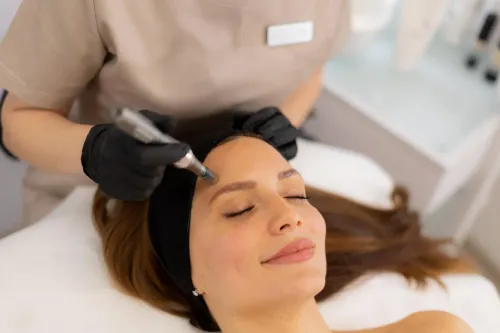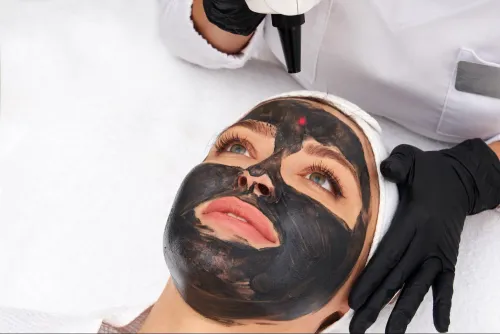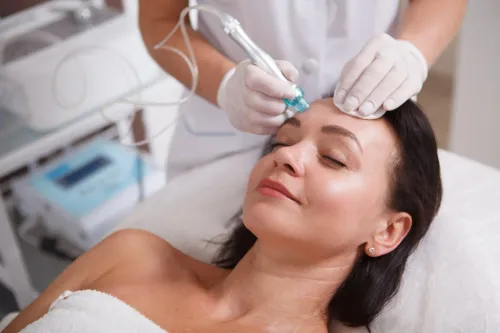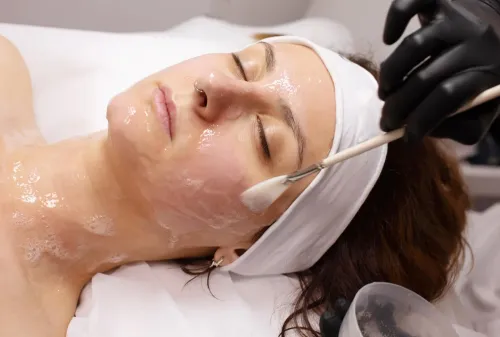
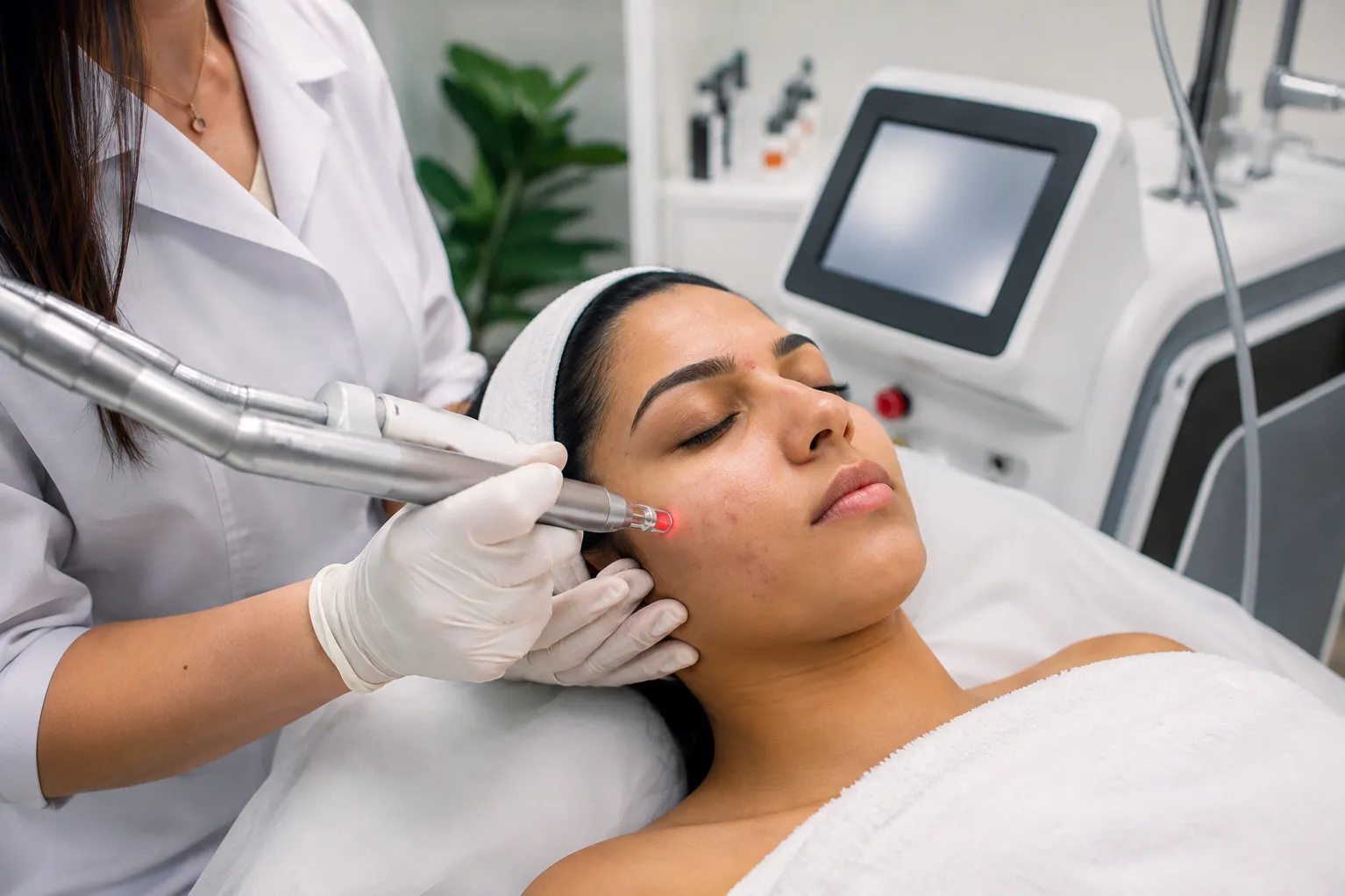
Scars are a natural part of the skin's healing process, but they do not always fade as much as people expect. Acne scars, surgical scars, injury marks, and other skin changes can remain visible for years, affecting both skin texture and confidence. While creams and home remedies may help improve the skin's appearance to some extent, deeper scars often require advanced dermatological procedures. Laser Scar treatment is one of the commonly recommended options for improving the appearance of scars through controlled skin resurfacing and collagen stimulation.
Understanding how laser scar treatment works and who may benefit from it can help you decide whether it is the right choice for your skin.
How Does Laser Scar Treatment Work?
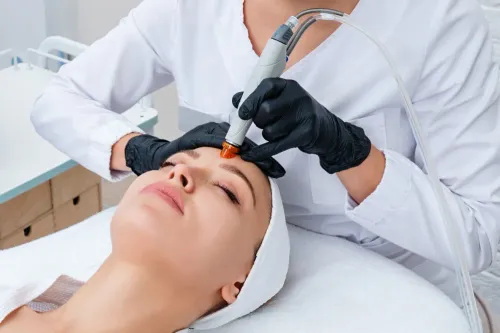
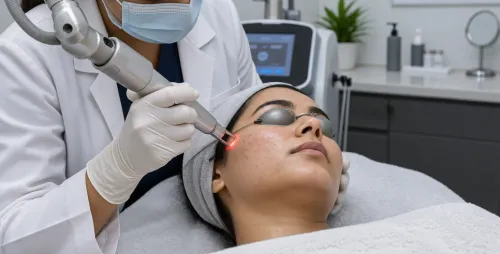
Laser scar treatment uses focused light energy to improve the appearance of scars by stimulating the skin's natural healing response.
Depending on the type of laser selected, the treatment may:
- Encourage new collagen production
- Smooth uneven skin texture
- Reduce scar thickness
- Improve skin tone around the scar
- Promote gradual skin remodeling
Unlike topical creams that work mainly on the skin's surface, laser technology targets deeper layers where scar tissue has formed.
What Types of Scars Can Be Treated?
Laser scar treatment may be recommended for various scar types, including:
- Acne scars
- Surgical scars
- Injury-related scars
- Chickenpox scars
- Selected burn scars after appropriate healing
- Post-inflammatory scars
Not every scar responds in the same way. The choice of treatment depends on the scar's age, depth, location, and skin type.
When Is the Right Time to Consider Treatment?
Many people assume they should begin treatment immediately after a scar forms. In reality, timing depends on how the skin is healing.
A dermatologist may recommend treatment when:
- The scar has matured sufficiently.
- The skin has healed completely.
- Persistent acne scars remain after acne has cleared.
- The scar causes cosmetic concern.
- Texture irregularities affect daily confidence.
Early consultation helps determine the appropriate timing and treatment plan.
What Happens During the Procedure?
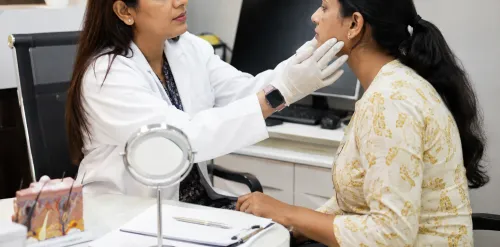
Before treatment, your dermatologist carefully examines the scar and discusses your medical history, previous treatments, and expectations.
The procedure generally includes:
- Cleansing the treatment area.
- Applying a topical numbing cream if required.
- Selecting laser settings based on your skin type and scar characteristics.
- Delivering controlled laser energy to the affected area.
Depending on the size and number of scars, treatment usually takes between 20 and 60 minutes.
What Results Can You Expect?
Laser scar treatment improves scars gradually rather than instantly.
Over the following weeks and months, collagen remodeling helps:
- Soften scar edges
- Improve skin texture
- Reduce the depth of acne scars
- Make scars less noticeable
- Blend scars more naturally with surrounding skin
Complete scar removal is generally not possible, but many patients experience meaningful cosmetic improvement with appropriate treatment planning.
How Many Sessions Are Needed?
There is no fixed number of sessions suitable for everyone.
The treatment plan depends on:
- Scar type
- Scar depth
- Skin tone
- Healing response
- Laser technology used
Some superficial scars improve with fewer sessions, while deeper acne or surgical scars may require multiple treatments spaced over several weeks.
Your dermatologist will review progress after each session and adjust the plan if necessary.
Caring for Your Skin After Treatment
Following aftercare instructions is essential for achieving the best possible outcome.
Patients are commonly advised to:
- Use sunscreen every day.
- Keep the treated skin moisturised.
- Avoid direct sun exposure.
- Refrain from picking peeling skin.
- Follow the prescribed skincare routine.
Proper skin care during recovery supports collagen formation and reduces the risk of unwanted pigmentation.
Why Professional Evaluation Is Important
Scars vary greatly in appearance and depth. What works well for one type of scar may not be suitable for another. In many cases, combination treatments involving lasers, microneedling, or other dermatological procedures provide better outcomes than a single approach.
A personalized assessment allows the dermatologist to choose the safest and most effective treatment based on your skin condition rather than applying a standard protocol.
Choosing the Right Dermatologist
Successful laser scar treatment depends on accurate diagnosis, appropriate technology, and a treatment plan tailored to individual skin needs. Setting realistic expectations and selecting the correct laser for your skin type are equally important in achieving satisfactory results.
For individuals seeking Laser Scar treatment in Ambarnath, consulting an experienced dermatologist can help determine the most appropriate treatment for acne scars, surgical scars, or other skin concerns. Dr. Swati Gurav Dermatologist and Cosmetologist provides personalized dermatology care using evidence-based treatment approaches designed around each patient's unique skin condition. Patients who would like to learn more about scar management and available laser procedures can also explore the educational resources available through drswatiguravdermatologist.com before scheduling a consultation.
Keywords