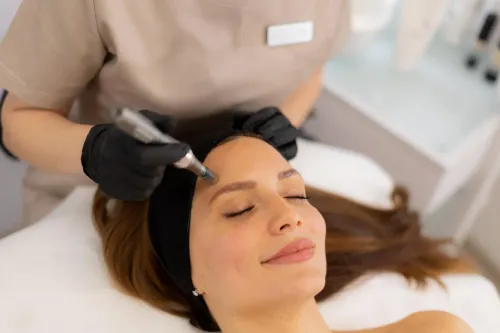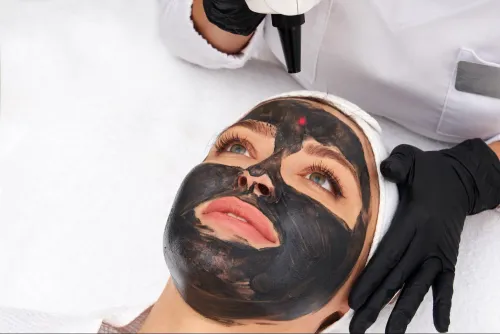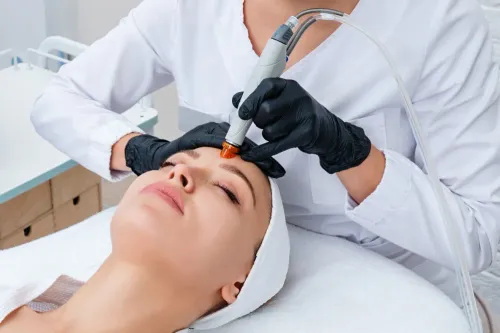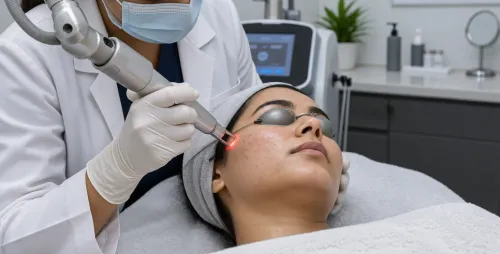
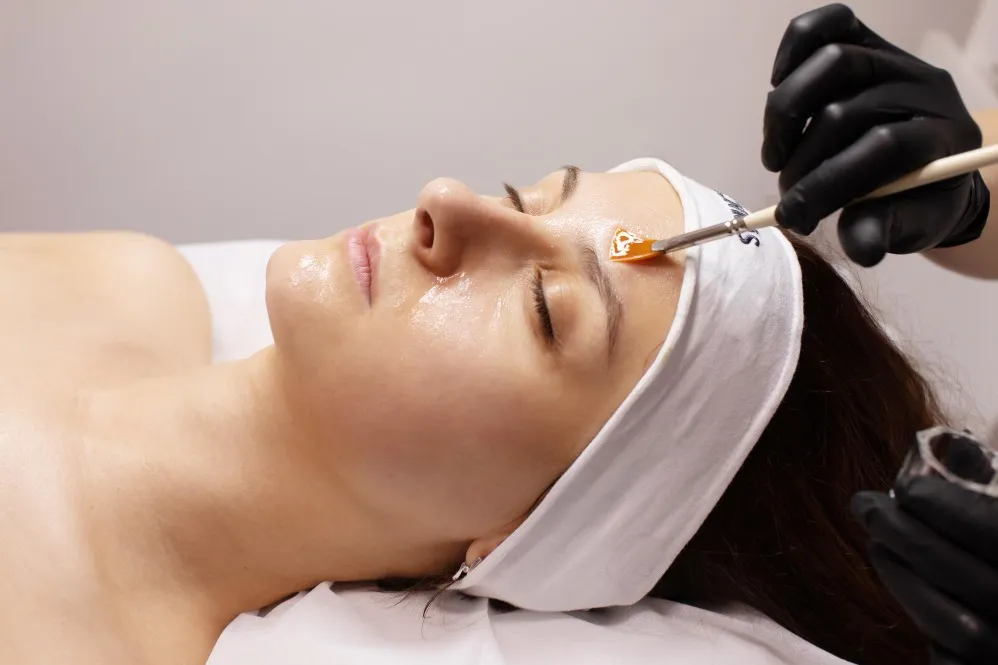
Uneven texture, dullness, superficial pigmentation, post-acne marks, and rough-looking skin are common reasons people explore professional skin treatments. Among the dermatologist-guided options available, Chemical Peeling is a controlled procedure designed to exfoliate selected layers of the skin and support a smoother, more even appearance.
For people in Dombivli, understanding how a peel works is important before deciding whether it is suitable for a particular skin concern.
What Happens During a Chemical Peel
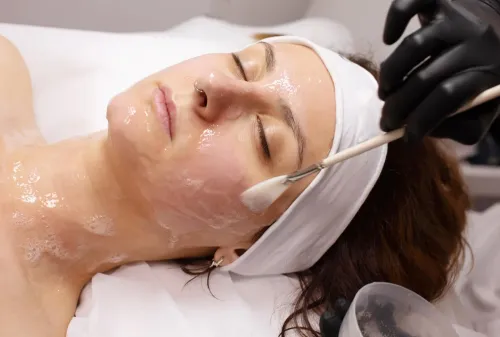
A chemical peel involves applying a carefully selected peeling solution to the skin for a controlled period. The formulation and strength are chosen according to factors such as skin type, sensitivity, the condition being treated, and the desired depth of exfoliation.
Depending on the assessment, dermatologists may use different peeling agents. A superficial peel generally works closer to the skin surface, while stronger formulations may penetrate more deeply and require greater aftercare.
The purpose is not simply to make the skin peel visibly. The treatment is planned to create controlled exfoliation while addressing a specific concern.
Which Concerns May Be Treated
Chemical peels may be considered for concerns such as:
- Mild acne and clogged pores
- Superficial acne marks
- Uneven skin tone
- Certain types of pigmentation
- Dull-looking skin
- Rough skin texture
- Sun-related surface changes
- Selected signs of early skin aging
However, not every pigmentation problem or acne mark responds in the same way. A dermatologist first needs to identify what is causing the visible concern.
Why Peel Strength Matters
One common misconception is that a stronger peel automatically produces a better result.
In reality, peel selection should depend on the skin rather than the desire for aggressive exfoliation. Using an unsuitable concentration can increase irritation, prolonged redness, sensitivity, and post-inflammatory pigmentation.
This is particularly relevant for Indian skin tones, where excessive inflammation can sometimes leave darker marks.
What Can You Expect After Treatment
The recovery experience varies with the type of peel. Some superficial treatments may cause temporary dryness, mild redness, or light flaking. Deeper procedures can involve more noticeable peeling and longer recovery.
Patients are generally advised to:
- Use sunscreen consistently
- Avoid picking peeling skin
- Follow the prescribed skincare routine
- Avoid unnecessary exfoliating products
- Limit excessive sun exposure
- Inform the dermatologist about unusual irritation
Results also develop differently depending on the concern. Some people may be advised to undergo a planned series rather than expecting a single treatment to address a long-standing problem.
Is Chemical Peeling Suitable for Everyone
No. Active infections, irritated skin, certain medications, pregnancy-related considerations, recent procedures, and individual medical factors can influence treatment suitability.
This is why copying a peel routine from social media or using high-strength acids without medical guidance is risky.
At Dr. Swati Gurav Dermatologist and Cosmetologist, patients can be assessed to determine whether Chemical Peeling is appropriate and which approach may suit their skin condition.
For residents of Dombivli dealing with persistent texture, superficial pigmentation, acne-related marks, or dullness, the most useful first step is identifying the underlying concern. A properly selected peel can then become part of a broader dermatologist-guided skincare plan rather than being treated as a one-size-fits-all cosmetic procedure.
Keywords