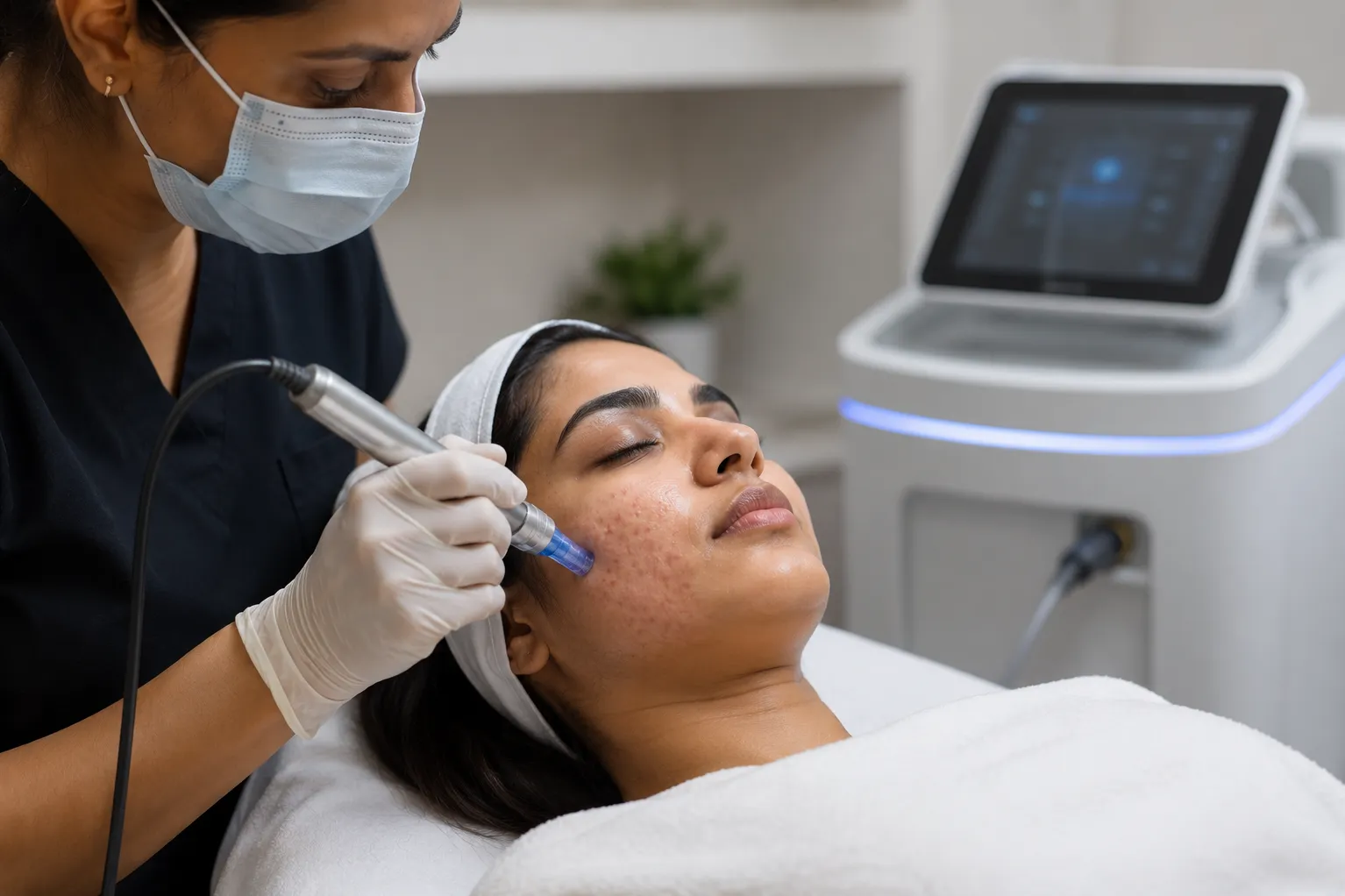
Acne scars can be difficult to treat because they are not all structurally identical. Some scars are shallow and broad, others are sharply defined, and some extend more deeply into the skin. This is why choosing an acne-scar procedure solely from photographs or online recommendations may lead to disappointing expectations.
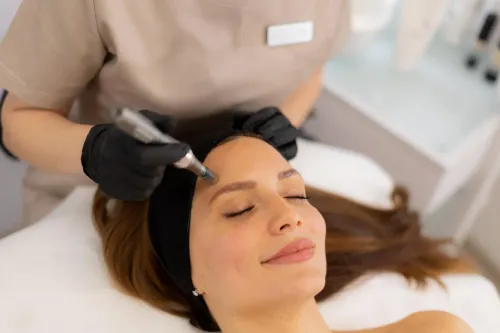
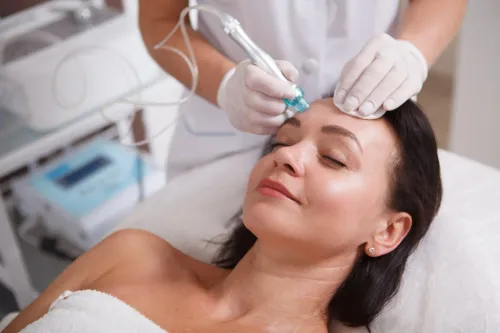
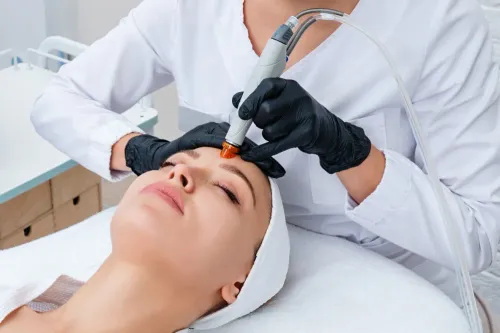
MNRF treatment, commonly referring to microneedling radiofrequency, combines controlled microneedling with radiofrequency energy.
For patients in Dombivli evaluating procedural options for acne scars and texture, understanding how MNRF differs from basic surface treatments can help with treatment decisions.
How MNRF Works
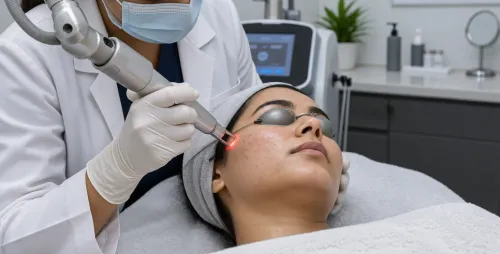
During the procedure, fine needles are introduced into selected depths of the skin. Radiofrequency energy is delivered through the device according to treatment parameters selected by the doctor.
This allows treatment to be directed below the surface rather than relying only on superficial exfoliation.
The depth, energy level, number of passes, and treatment area need to be planned according to the patient's skin and concern.
When MNRF May Be Considered
A dermatologist may evaluate MNRF for concerns including:
- Selected atrophic acne scars
- Uneven skin texture
- Enlarged-looking pores
- Certain rejuvenation concerns
- Some forms of textural irregularity
It is not automatically appropriate for every scar.
Deep ice-pick scars, tethered scars, active acne, pigmentation, and raised scars may require different approaches.
MNRF Compared With Microneedling
Traditional microneedling creates controlled microchannels mechanically. MNRF adds radiofrequency energy at controlled depths.
This difference can make MNRF useful in certain treatment plans, but it does not mean it is universally superior.
The better procedure is the one that matches the scar pattern, skin characteristics, treatment goals, and acceptable recovery period.
Questions Worth Asking Before Treatment
Before undergoing MNRF, patients can ask:
- What type of acne scars do I have?
- Is active acne controlled?
- Why is MNRF appropriate for these scars?
- How much downtime should I expect?
- Will other procedures be required?
- How should I care for my skin afterwards?
These questions shift the decision from choosing a machine to understanding the treatment strategy.
What About Downtime
Redness, swelling, sensitivity, and temporary pinpoint marks can occur after the procedure. The extent depends partly on treatment intensity.
Patients should follow medical aftercare rather than experimenting with scrubs, acids, retinoids, or home remedies during early recovery.
Sun protection is particularly important because inflammation and sun exposure can contribute to unwanted pigmentation.
When Combination Treatment Makes Sense
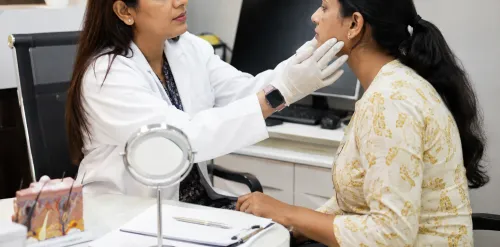
Acne scarring frequently requires combination management. A dermatologist may identify different scar patterns within the same treatment area and recommend separate techniques for each.
At Dr. Swati Gurav Dermatologist and Cosmetologist, scar assessment can help determine where MNRF treatment fits within an individual plan.
For patients in Dombivli comparing acne-scar procedures, the most useful question is not simply whether MNRF is 'better.' The important issue is whether the technology addresses the type and depth of scars present. A personalised assessment provides a stronger basis for that decision.
Keywords