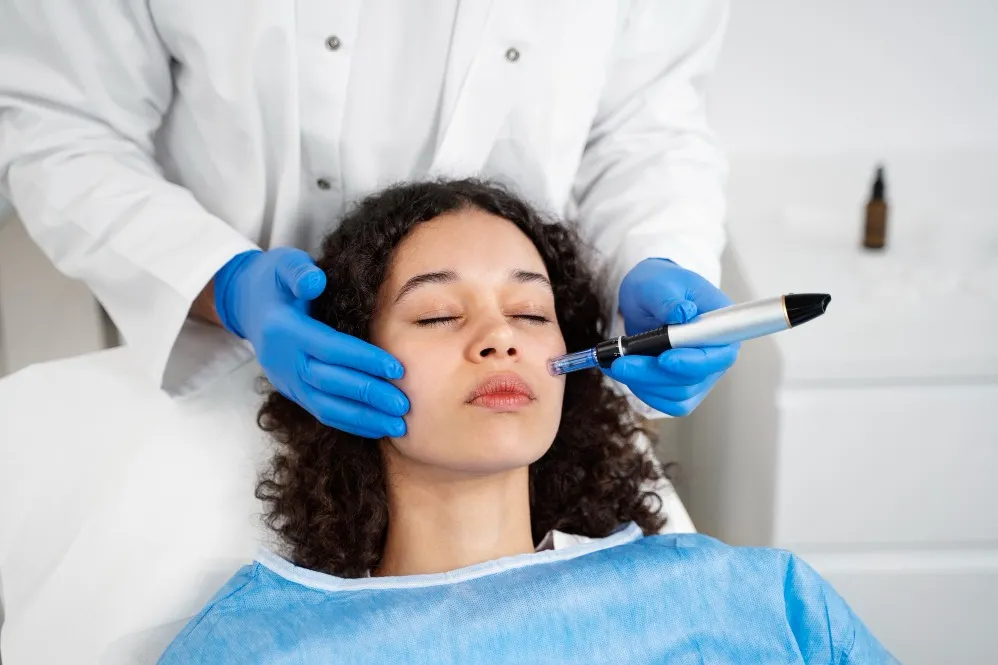
Acne may clear with time, but the scars and enlarged pores it leaves behind can continue to affect skin texture and confidence. Many people spend months trying different creams and home remedies without seeing noticeable improvement. This is because acne scars often develop in the deeper layers of the skin, where topical products have limited reach.
Microneedling has become one of the most commonly recommended dermatological procedures for improving acne scars, refining skin texture, and stimulating natural collagen production. If you are considering this treatment, understanding how it works and what results you can realistically expect is the first step toward making an informed decision.
What Is Microneedling?
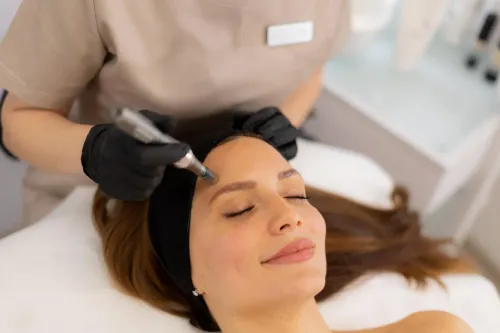
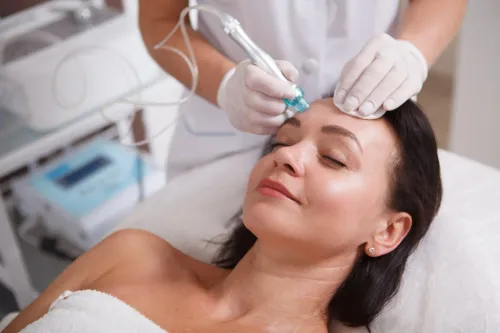
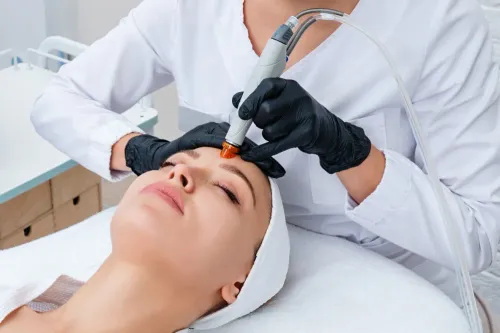
Microneedling is a minimally invasive procedure that uses a device fitted with fine, sterile needles to create tiny, controlled microchannels in the skin. These microscopic injuries trigger the body's natural healing process, encouraging the production of collagen and elastin.
Collagen is the structural protein responsible for keeping the skin firm, smooth, and resilient. As new collagen develops over the following weeks, the skin gradually becomes more even in texture and appearance.
Unlike treatments that only target the surface, microneedling promotes skin repair from within.
Which Skin Concerns Can Microneedling Improve?
Microneedling is often recommended for people experiencing:
- Acne scars
- Enlarged pores
- Uneven skin texture
- Mild pigmentation caused by acne
- Fine lines
- Early signs of skin aging
- Stretch marks in selected cases
The treatment is particularly effective for atrophic acne scars, which appear as small depressions in the skin.
How Does the Procedure Work?
The treatment usually begins with cleansing the skin and applying a topical numbing cream to improve comfort.
The dermatologist then moves the microneedling device across the treatment area, creating uniform microchannels at carefully selected depths. The procedure generally takes between 30 and 60 minutes depending on the size of the area being treated.
Once completed, soothing products may be applied to support skin recovery.
What Results Can You Expect?
Microneedling does not produce overnight changes. Instead, the skin gradually improves as collagen continues to rebuild.
Many patients notice:
- Smoother skin texture
- Softer acne scars
- Less visible pores
- Improved skin firmness
- Healthier overall skin appearance
The extent of improvement depends on several factors, including the type and severity of acne scars, skin condition, age, and adherence to post-treatment care.
Individuals with deeper scars generally require multiple sessions to achieve meaningful improvement.
How Many Sessions Are Usually Needed?
The number of sessions varies from person to person.
For mild skin texture concerns, a few sessions may be sufficient. More noticeable acne scarring often requires a treatment series spaced several weeks apart to allow proper collagen formation between sessions.
Your dermatologist will recommend a treatment plan after evaluating your skin rather than suggesting a fixed number of sessions for everyone.
What Happens After the Procedure?
Immediately after treatment, the skin may appear slightly red and feel similar to a mild sunburn. Mild swelling and sensitivity are also common and usually settle within a few days.
During recovery, it is important to:
- Use sunscreen every day.
- Keep the skin moisturised.
- Avoid harsh exfoliating products.
- Refrain from picking or scratching the skin.
- Follow the skincare routine advised by your dermatologist.
These steps help support healing and reduce the likelihood of irritation.
Is Microneedling Suitable for Everyone?
Although microneedling is considered safe for many individuals, it may not be appropriate for everyone.
People with active acne breakouts, ongoing skin infections, uncontrolled eczema, certain inflammatory skin disorders, or a tendency to develop abnormal scars may need alternative treatment approaches.
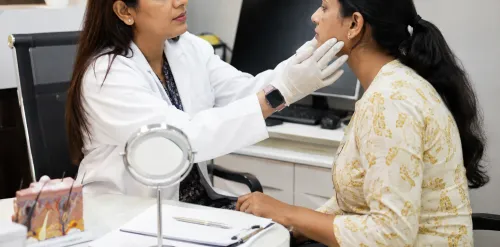
A professional skin evaluation is essential before deciding whether microneedling is the right option.
Microneedling Compared with Other Acne Scar Treatments
Acne scars can be treated using several different procedures, depending on their type and depth.
A dermatologist may recommend:
- Microneedling for collagen stimulation
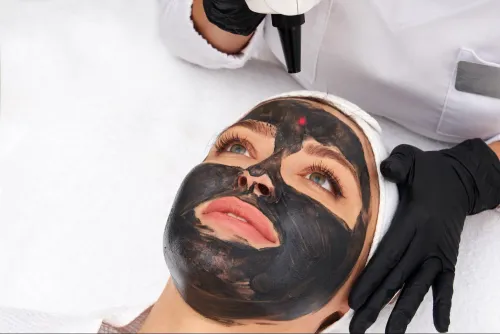
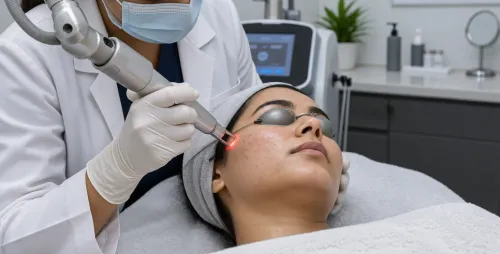
- Fractional laser treatments for skin resurfacing
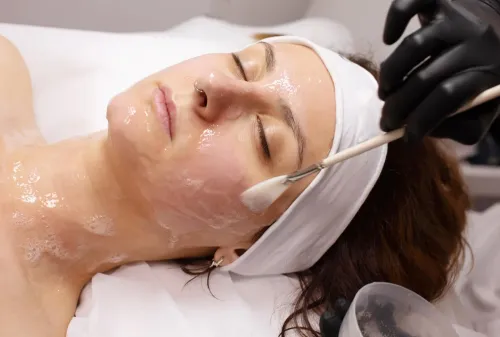
- Chemical peels for superficial acne marks
- Combination therapies for mixed scar patterns
Choosing the right treatment depends on your skin type, scar characteristics, and overall treatment goals rather than following a one-size-fits-all approach.
Why Professional Assessment Makes a Difference
Every person's acne scars are different. Some scars respond well to microneedling alone, while others may benefit from combining treatments for better outcomes. A thorough assessment helps identify the most effective and safest strategy.
For individuals seeking Microneedling treatment in Dombivli, consulting a qualified dermatologist allows for a personalized treatment plan based on skin type, scar severity, and long-term skin health. Dr. Swati Gurav Dermatologist and Cosmetologist offers evidence-based dermatology care with customised solutions for acne scars and skin rejuvenation. Those interested in understanding more about available treatment options can also explore the educational resources provided through drswatiguravdermatologist.com before planning their consultation.
Keywords